Tiredness & Fatigue Blood Test
£78 ✓ In Stock
Your sample goes to a UKAS accredited laboratory meeting ISO 15189 standards.
After you receive your order confirmation email, please reply with your date of birth.
How it works
Your testing journey
From order to results in four simple steps. Full transparency on where each step happens and what it costs.

Receive your kit by post
Dispatched same working day if ordered before 3pm. Royal Mail Tracked delivery, typically 1–3 working days. 90% of kits arrive within 24 hours.

Collect at home
Everything you need is in the kit. Collect your sample in the privacy of your own home — no appointment needed, no clinic visit.
Included in kit price
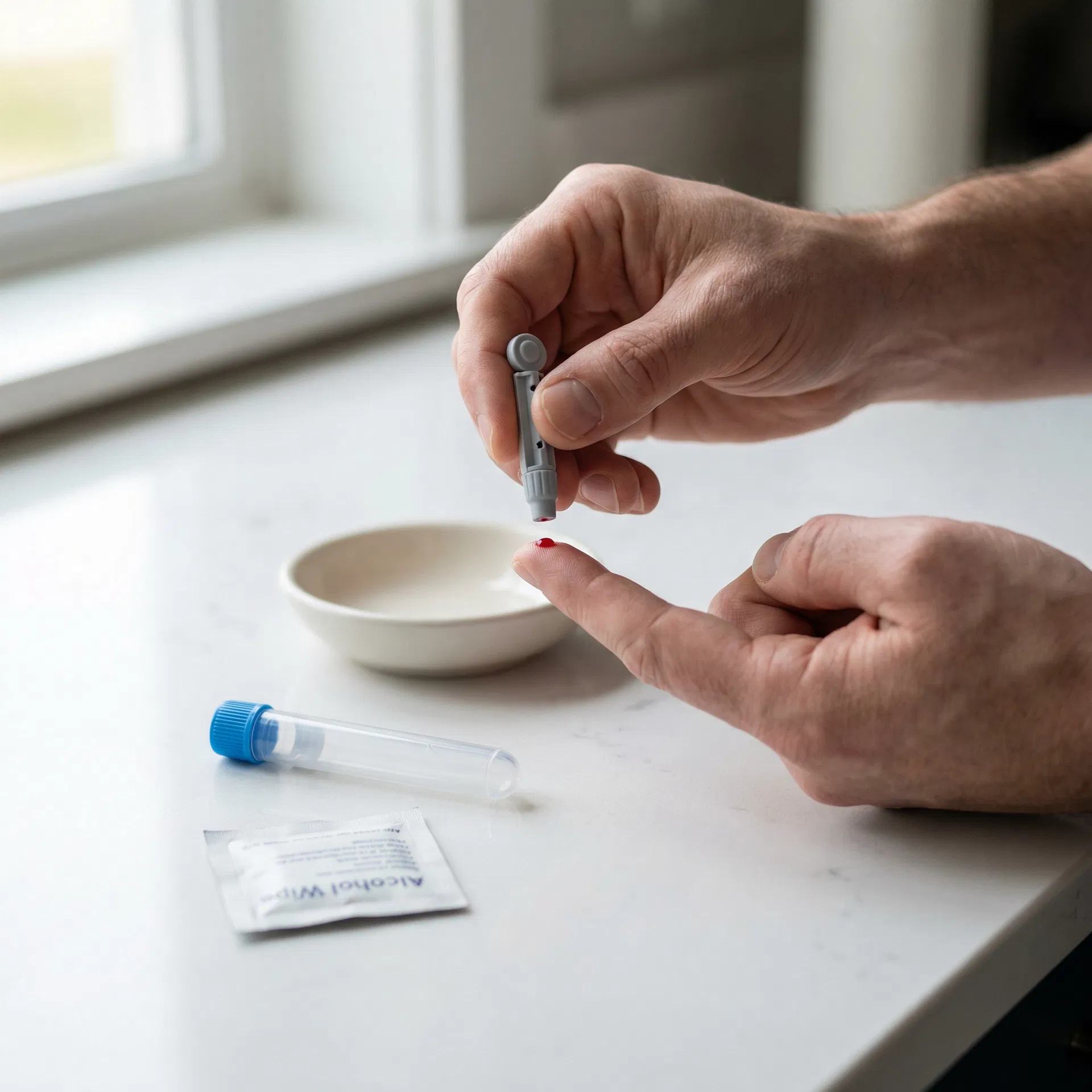
Small finger-prick sample
Use the single-use lancet included in your kit to take a few drops of blood from your fingertip — similar to how diabetics check their blood sugar. Takes about 2 minutes.

Return by prepaid envelope
Seal your sample in the biohazard bag provided and drop it in any Royal Mail postbox using the prepaid Tracked 24 envelope. Post Monday–Thursday for best results.
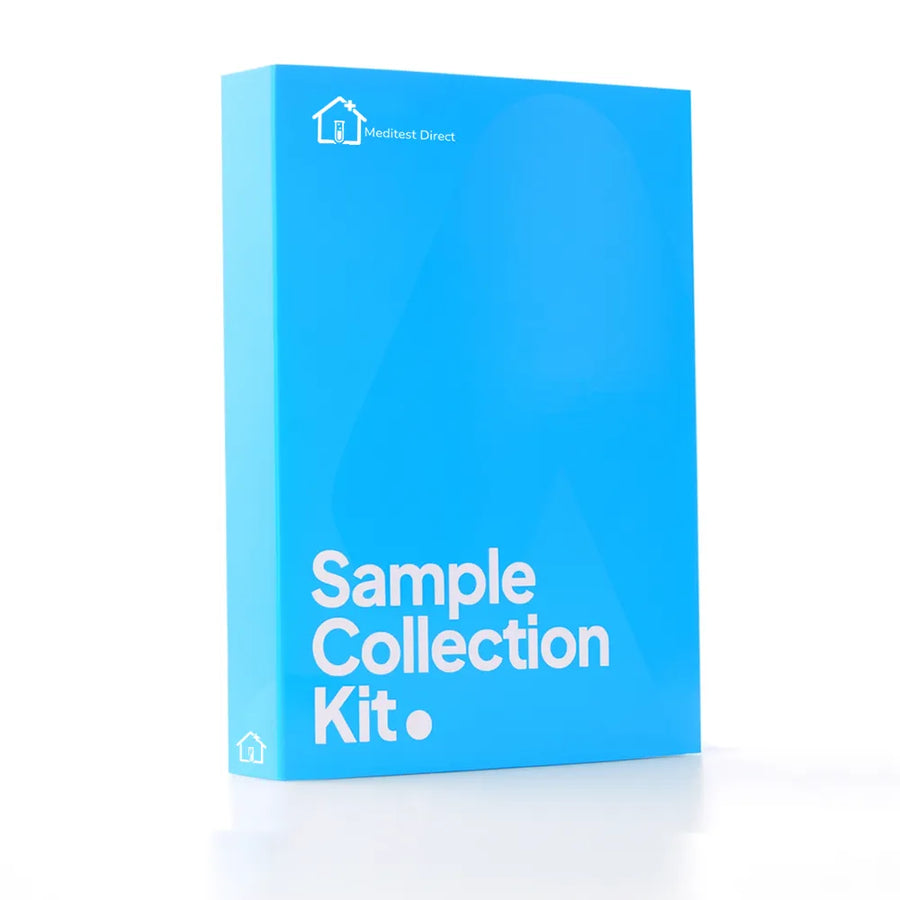
Home Finger-Prick Blood Collection Kit
- 1Blood collection tube
- 2Single-use lancet device
- 3Sterile gauze pad
- 4Adhesive plaster
- 5Cleansing wipe
- 6Biohazard specimen bag
- 7Prepaid return envelope (Royal Mail Tracked 24)
- 8Step-by-step instructions
Thyroid-stimulating hormone (TSH) is produced in the pituitary gland in order to regulate the production of thyroid hormones thyroxine (T4) and triiodothyronine (T3) by the thyroid gland. If thyroid hormones in the blood are low, then more TSH is produced to stimulate the thyroid gland to produce more of them. If thyroid hormone levels are high, then the pituitary produces less TSH to slow the production of thyroid hormones. If TSH is too high or too low, it normally signifies that there is a problem with the thyroid gland which is causing it to under or over produce thyroid hormones. Both hypothyroidism and hyperthyroidism can cause fatigue.
Thyroxine (T4) is one of two hormones produced by the thyroid gland. It works to speed up the rate of your metabolism. Most T4 is bound to carrier proteins in the blood—it is only the free, or unbound, T4 that is active in the body, which is measured in this test. Free T4 is the less active of the two main thyroid hormones. To have an impact on your cells it needs to convert to the more active T3 when your body needs it. Low Free T4 can contribute to fatigue, weight gain, and feeling cold.
Iron is a mineral that is essential for life. It is a component of haemoglobin, a protein in our red blood cells that is responsible for transporting oxygen around our body. If we don't have enough iron, our haemoglobin levels fall and we can't get sufficient oxygen to our cells. This can cause symptoms which include fatigue, dizziness, and shortness of breath. Serum iron is a very transient reading and can be influenced by the amount of iron-rich food in your diet in the days before your blood test. For this reason, iron is rarely looked at on its own, and is interpreted alongside other markers in an iron status test.
Total iron-binding capacity (TIBC) is a measure of the ability of your body to efficiently carry iron through the blood. It reflects the amount of transferrin available to bind iron. TIBC typically increases when iron stores are low and decreases when iron stores are adequate or high.
Transferrin is made in the liver and is the major protein in the blood which binds to iron and transports it round the body. This test measures how much this protein is 'saturated' by iron. Low transferrin saturation indicates iron deficiency, whilst high saturation may indicate iron overload.
Ferritin is a protein which stores iron in your cells and tissues. Usually, the body incorporates iron into haemoglobin to be transported around the body, but when it has a surplus, it stores the remaining iron in ferritin for later use. Measuring ferritin levels gives us a good indication of the amount of iron stored in your body. Low ferritin is one of the most common causes of fatigue.
Despite its name, vitamin D is actually a hormone that's produced by your skin when it's exposed to sunshine. Before your body can use vitamin D produced by sun exposure (known as vitamin D3), it must be converted into another form called 25 hydroxycholecalciferol (25 OH). Vitamin D (25 OH) is the major circulating form of vitamin D, and so your vitamin D (25 OH) level is considered the most accurate indicator of vitamin D supply to your body. Vitamin D is essential for healthy bones and teeth, as it helps your body absorb calcium. It also plays a role in muscle health, immune function, and mental health. Low vitamin D symptoms include muscle weakness, mood swings, and fatigue. Many people in the UK have low vitamin D levels, and people with dark skin and people who don't spend much time outdoors are particularly at risk.
C-Reactive Protein (CRP) is an inflammation marker used to assess whether there is inflammation in the body, though it does not identify where the inflammation is located. High Sensitivity CRP (hs-CRP) is a test used to detect low-level inflammation thought to damage blood vessels which can lead to cardiovascular issues. Chronic inflammation can contribute to fatigue and low energy levels.
This test is for screening and information only — it is not a medical diagnosis or professional advice. Please have your results reviewed by a qualified doctor or healthcare provider who can explain what they mean for your personal health situation. If your results show anything outside the normal range, or if you're worried about your health, see your doctor as soon as you can. Don't change any medications or treatments based on these results alone — always talk to your healthcare provider first.
NO CLINICS, NO QUEUES, NO HASSLE
Four steps to clarity
 01
01
Pick your panel
Browse over 200 clinically designed test kits and choose the one that fits your goals.
 02
02
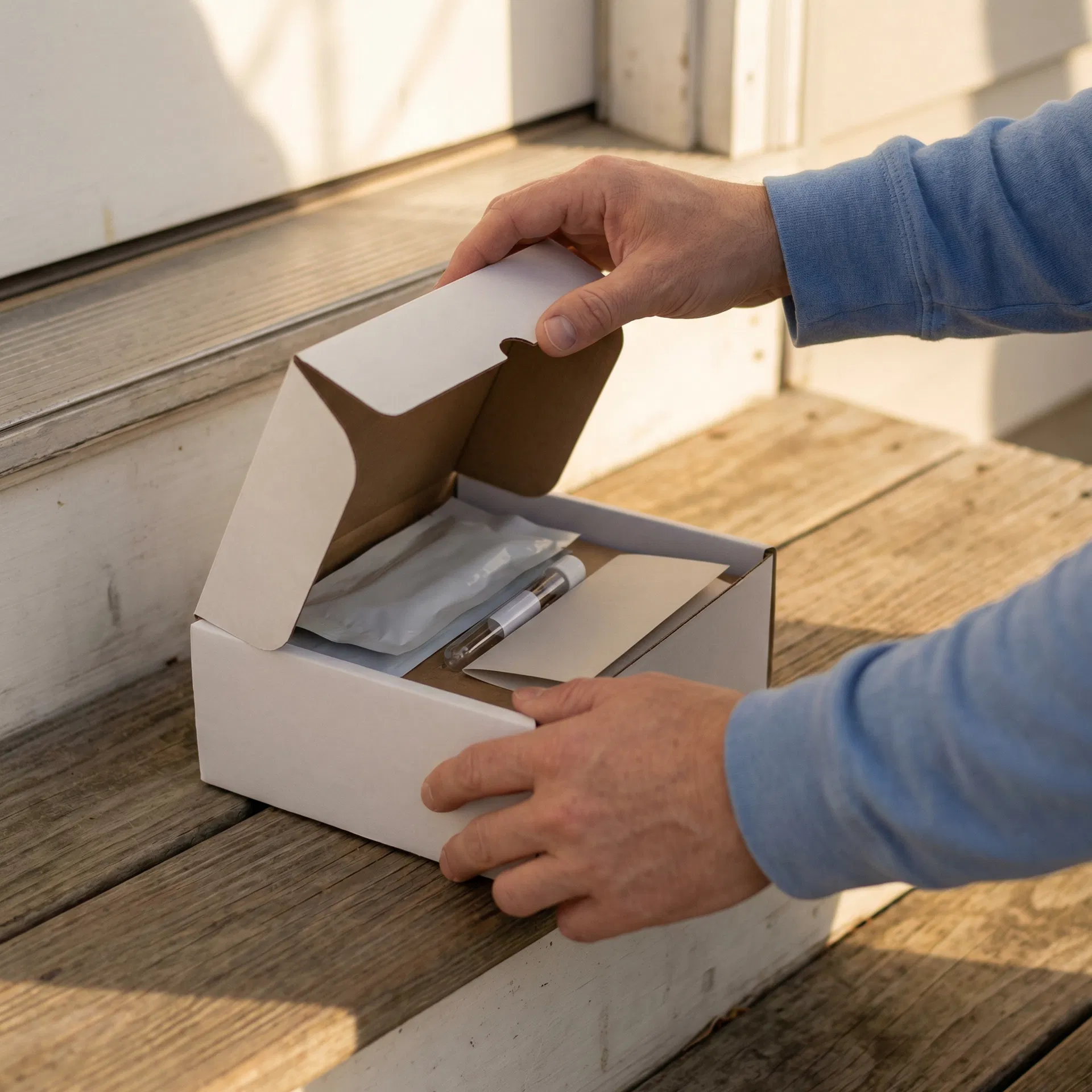
Kit to your door
Everything you need arrives in discreet packaging with step-by-step instructions inside.
 03
03
Collect your sample
Follow the simple instructions in your kit — whether it's a finger-prick at home or a venous draw at a partner clinic.
 04
04
Insights delivered
Clear, easy-to-understand results sent to you online with actionable health guidance.
Frequently asked questions
This test measures hs-CRP (High Sensitivity C-Reactive Protein), Iron, TIBC (Total Iron-Binding Capacity), Transferrin saturation, Ferritin. Check the full biomarker list on this page for detailed descriptions of each marker and what it tells you about your health.
Check the Special Instructions section on this page. As a general rule, if the panel includes cholesterol, triglycerides, glucose, or insulin, fast for 8-12 hours. For most hormone, vitamin, and antibody tests, fasting is not required. Morning collection (7-10am) is preferred.
Follow the instructions in your kit. For finger-prick tests: warm your hands, use the lancet as directed, fill the tube to the marked line. For venous tests: attend a phlebotomy clinic with your laboratory request form. Post your sample the same day — avoid Fridays and bank holidays.
Results are typically available within the timeframe shown on this page. You will receive a notification when ready to view online. Results include reference ranges and guidance.
You may also be interested in

Free and Total Testosterone Blood Test Kit
A 4-biomarker venous blood panel covering hormones and proteins — ideal for investigating low testosterone, libido, energy, or hormone replacement monitoring.
Results estimated in 2 working days
4 biomarkers

Testosterone Blood Test
A single-biomarker venous blood test covering hormones — ideal for investigating low testosterone, libido, energy, or hormone replacement monitoring.
Results estimated in 2 working days
1 biomarkers

PSA (Prostate Specific Antigen) Blood Test Kit
A single-biomarker venous blood,semen test covering prostate health — ideal for prostate health screening and monitoring.
Results estimated in 2 working days
1 biomarkers

Vitamin D (25-OH) Blood Test Kit
A finger-prick blood test measuring your vitamin D (25-hydroxyvitamin D) level — the essential nutrient for bone health, immune function, and overall wellbeing, commonly deficient in the UK.
Results estimated in 2 working days
1 biomarkers