
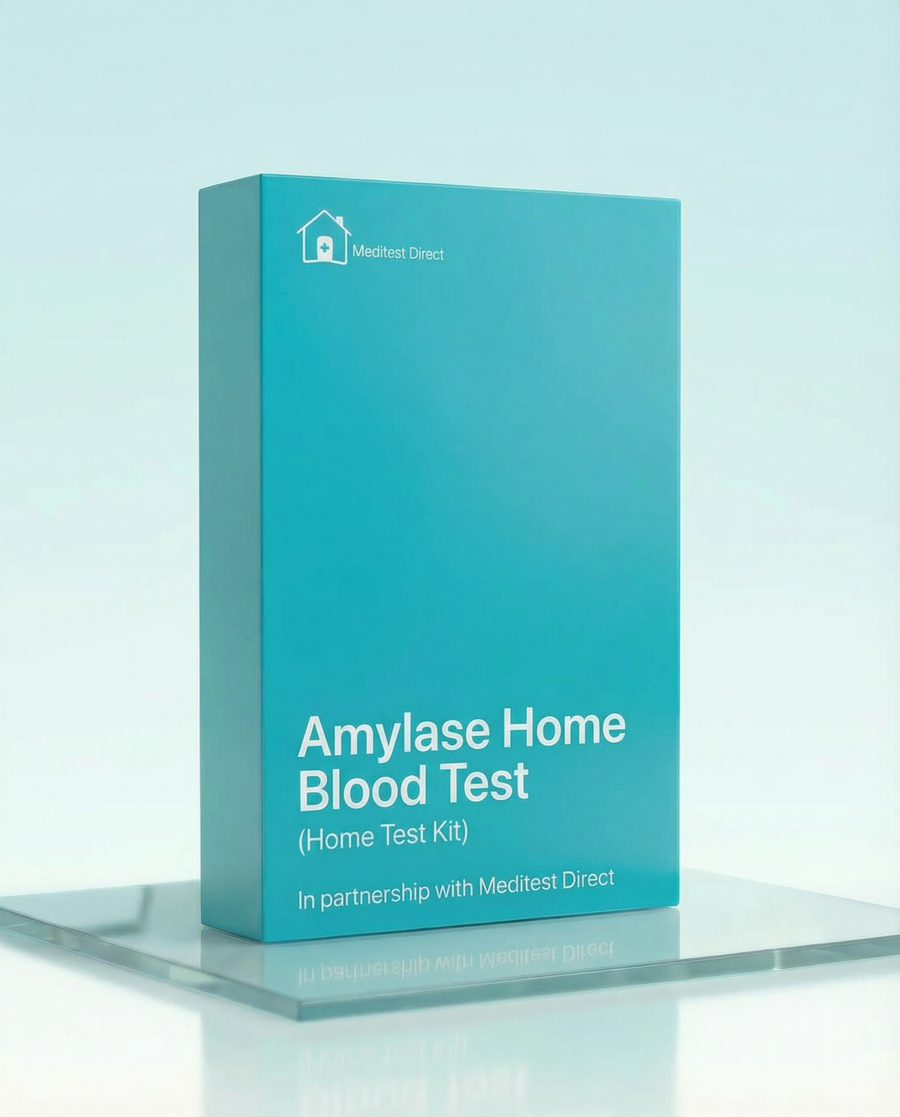
Amylase Home Blood Test
£45 ✓ In Stock
Your sample goes to a UKAS accredited laboratory meeting ISO 15189 standards.
After you receive your order confirmation email, please reply with your date of birth.
How it works
Your testing journey
From order to results in four simple steps. Full transparency on where each step happens and what it costs.

Receive your kit by post
Dispatched same working day if ordered before 3pm. Royal Mail Tracked delivery, typically 1–3 working days. 90% of kits arrive within 24 hours.

Collect your sample
Follow the step-by-step instructions inside your kit. Collection takes just a few minutes.


Multiple samples
This test uses 2 sample types. Instructions for each are included in your kit.

Return by prepaid envelope
Seal your sample in the biohazard bag provided and drop it in any Royal Mail postbox using the prepaid Tracked 24 envelope. Post Monday–Thursday for best results.
Home Finger-Prick Blood Collection Kit
- 1Blood collection tube
- 2Single-use lancet device
- 3Sterile gauze pad
- 4Adhesive plaster
- 5Cleansing wipe
- 6Biohazard specimen bag
- 7Prepaid return envelope (Royal Mail Tracked 24)
- 8Step-by-step instructions
Saliva Collection Kit
- 1Saliva collection tube with funnel
- 2Biohazard specimen bag
- 3Prepaid return envelope (Royal Mail Tracked 24)
- 4Step-by-step instructions
Amylase is a digestive enzyme produced primarily by the pancreas (about 40%) and salivary glands (about 60%) that helps break down carbohydrates into simple sugars. Normally, only small amounts of amylase are present in the bloodstream. When the pancreas becomes inflamed, damaged, or diseased, amylase may be released into the blood in larger quantities, causing levels to rise significantly. In acute pancreatitis, amylase levels can increase rapidly within 3-6 hours of symptom onset and may remain elevated for up to 5 days. Elevated amylase levels (typically 4-6 times the normal range) may be associated with acute pancreatitis, chronic pancreatitis, pancreatic pseudocyst, blocked pancreatic duct, gallstones affecting the pancreas, intestinal obstruction, perforated ulcer, or mumps (salivary gland infection). Low amylase levels may be associated with chronic pancreatitis with significant pancreatic damage, liver disease such as cirrhosis or hepatitis, kidney disease, cystic fibrosis, or pre-eclampsia in pregnancy. Normal amylase levels typically range from 30-110 units per litre (U/L), though ranges may vary slightly between laboratories. The amylase test is often performed alongside lipase testing for more comprehensive screening of pancreatic markers, as lipase is more specific to the pancreas and remains elevated longer than amylase.
This test is for screening and information only — it is not a medical diagnosis or professional advice. Please have your results reviewed by a qualified doctor or healthcare provider who can explain what they mean for your personal health situation. If your results show anything outside the normal range, or if you're worried about your health, see your doctor as soon as you can. Don't change any medications or treatments based on these results alone — always talk to your healthcare provider first.
NO CLINICS, NO QUEUES, NO HASSLE
Four steps to clarity
 01
01
Pick your panel
Browse over 200 clinically designed test kits and choose the one that fits your goals.
 02
02
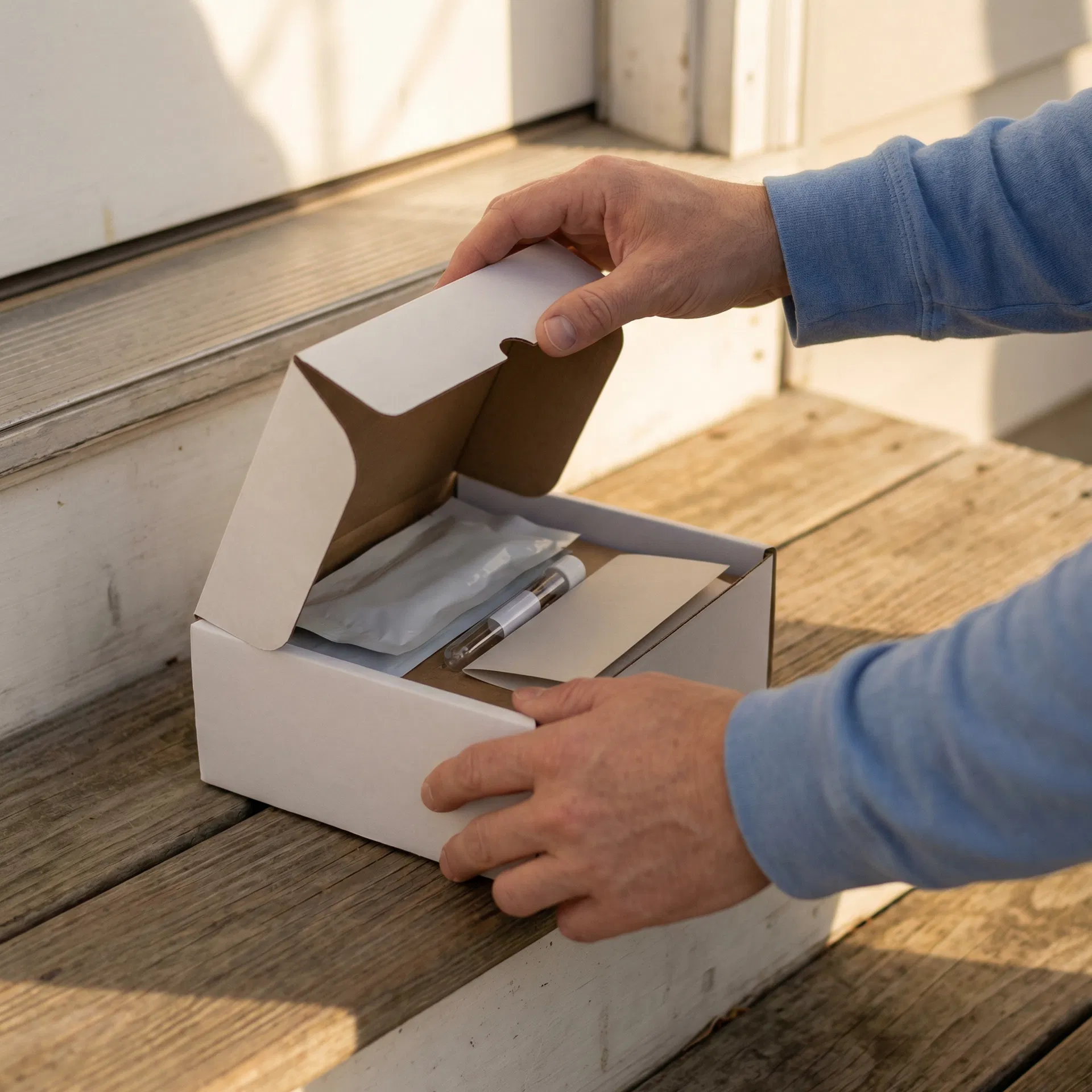
Kit to your door
Everything you need arrives in discreet packaging with step-by-step instructions inside.
 03
03
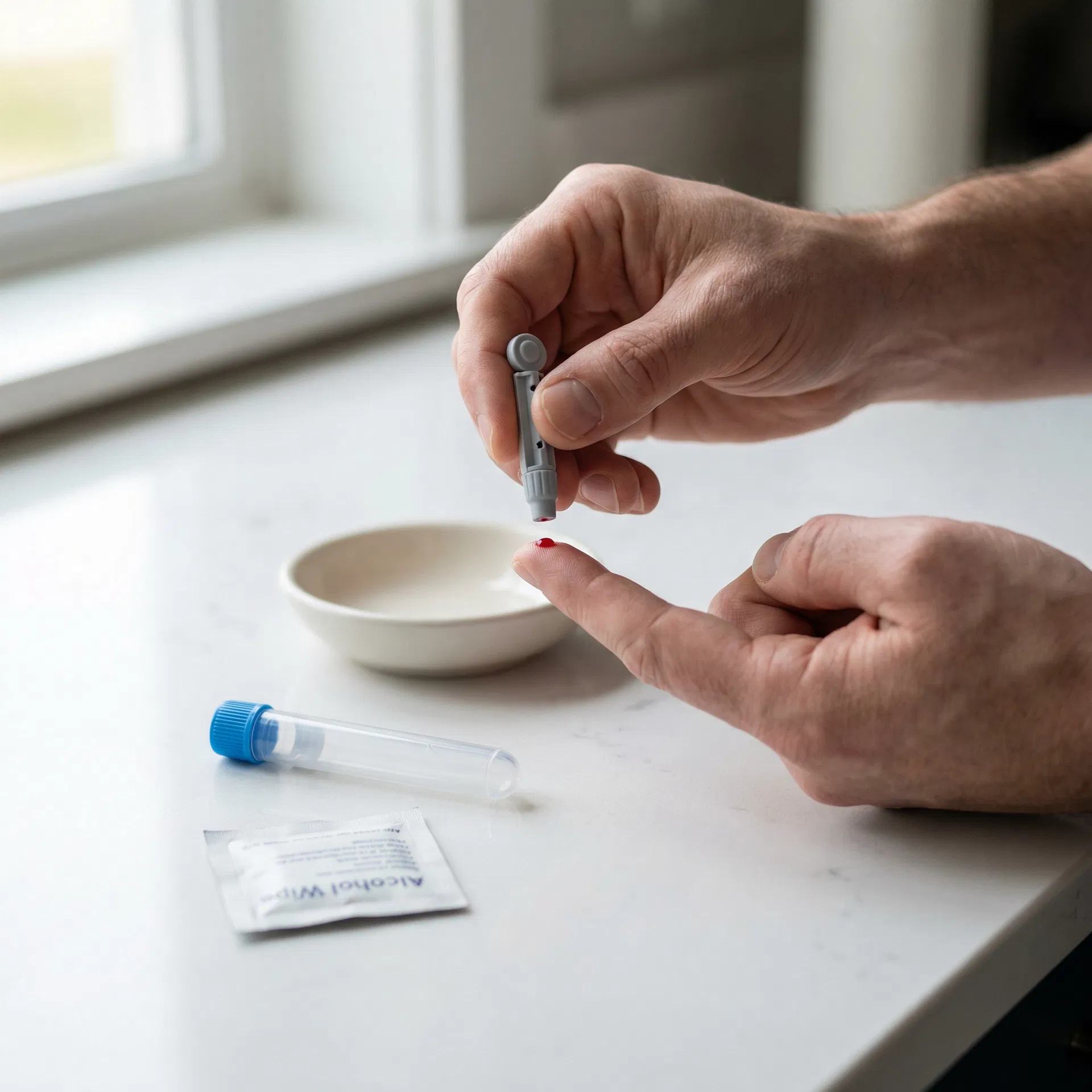
Collect your sample
Follow the simple instructions in your kit — whether it's a finger-prick at home or a venous draw at a partner clinic.
 04
04
Insights delivered
Clear, easy-to-understand results sent to you online with actionable health guidance.
Frequently asked questions
This test measures Amylase. Check the full biomarker list on this page for detailed descriptions of each marker and what it tells you about your health.
Check the Special Instructions section on this page. As a general rule, if the panel includes cholesterol, triglycerides, glucose, or insulin, fast for 8-12 hours. For most hormone, vitamin, and antibody tests, fasting is not required. Morning collection (7-10am) is preferred.
Follow the instructions in your kit. For finger-prick tests: warm your hands, use the lancet as directed, fill the tube to the marked line. For venous tests: attend a phlebotomy clinic with your laboratory request form. Post your sample the same day — avoid Fridays and bank holidays.
Results are typically available within the timeframe shown on this page. You will receive a notification when ready to view online. Results include reference ranges and guidance.
You may also be interested in

Free and Total Testosterone Blood Test Kit
A 4-biomarker venous blood panel covering hormones and proteins — ideal for investigating low testosterone, libido, energy, or hormone replacement monitoring.
Results estimated in 2 working days
4 biomarkers

PSA (Prostate Specific Antigen) Blood Test Kit
A single-biomarker venous blood,semen test covering prostate health — ideal for prostate health screening and monitoring.
Results estimated in 2 working days
1 biomarkers

Testosterone Blood Test
A single-biomarker venous blood test covering hormones — ideal for investigating low testosterone, libido, energy, or hormone replacement monitoring.
Results estimated in 2 working days
1 biomarkers

Vitamin D (25-OH) Blood Test Kit
A finger-prick blood test measuring your vitamin D (25-hydroxyvitamin D) level — the essential nutrient for bone health, immune function, and overall wellbeing, commonly deficient in the UK.
Results estimated in 2 working days
1 biomarkers