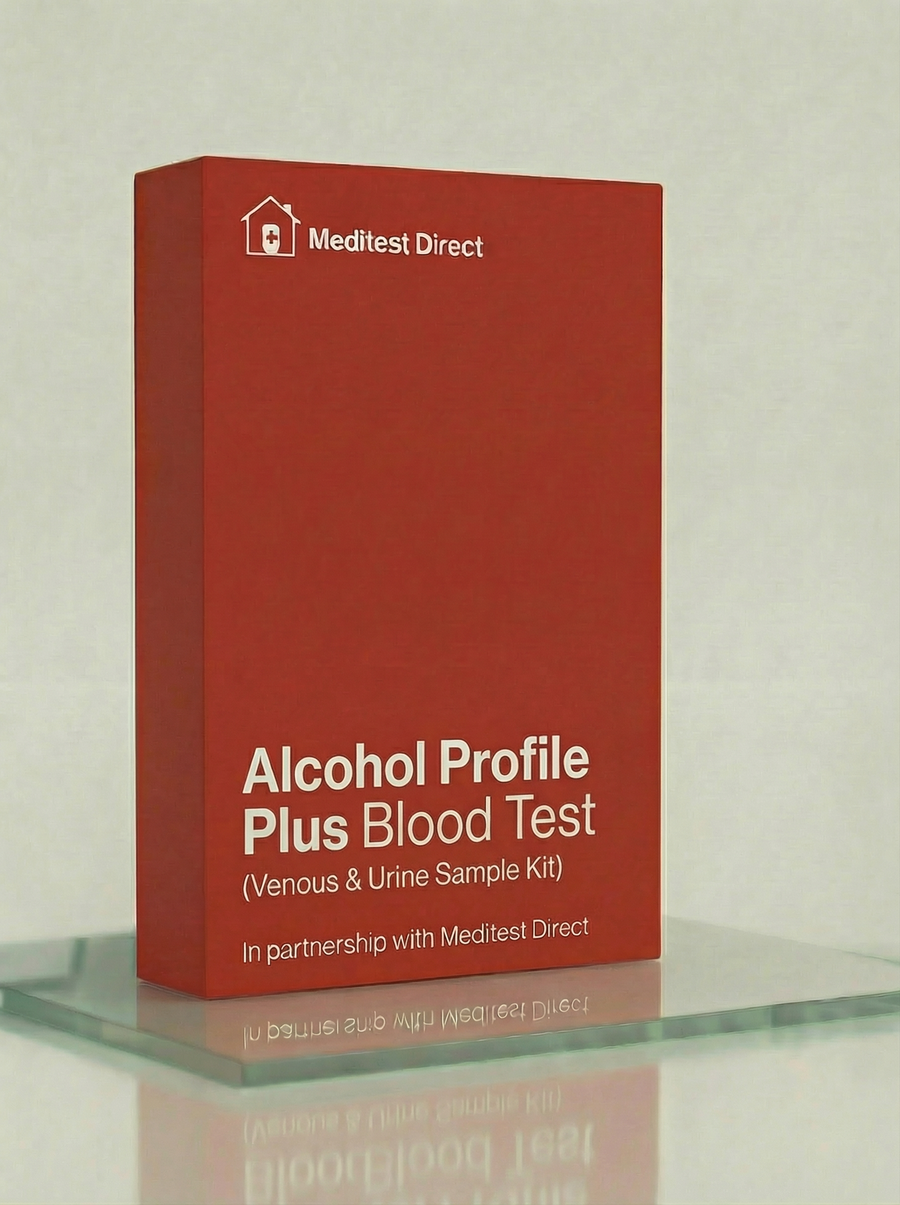
Alcohol Profile Plus Blood Test
£299 ✓ In Stock
Your sample goes to a UKAS accredited laboratory meeting ISO 15189 standards.
After you receive your order confirmation email, please reply with your date of birth.
How it works
Your testing journey
From order to results in four simple steps. Full transparency on where each step happens and what it costs.

Receive your kit by post
Dispatched same working day if ordered before 3pm. Royal Mail Tracked delivery, typically 1–3 working days. 90% of kits arrive within 24 hours.

Visit a partner clinic
Book a phlebotomy appointment at one of our 365+ UK partner clinics. Take your kit with you — the phlebotomist will collect your sample using the materials provided.
Phlebotomy fee applies (paid at clinic)
Venous blood draw at a clinic
A trained phlebotomist takes a small blood sample from a vein in your arm using the vacutainers provided in your kit. The appointment takes around 10 minutes.

Return by prepaid envelope
Seal your sample in the biohazard bag provided and drop it in any Royal Mail postbox using the prepaid Tracked 24 envelope. Post Monday–Thursday for best results.
Venous Blood Collection Kit
This kit is sent to you and taken to your chosen clinic. The phlebotomist will collect your sample using the materials provided.
- 1Vacutainer blood collection tubes
- 2Needle and butterfly needle
- 3Tourniquet
- 4Alcohol swab
- 5Cotton wool and gauze
- 6Adhesive plaster
- 7Biohazard specimen bag
- 8Prepaid return envelope (Royal Mail Tracked 24)
- 9Laboratory request form
- 10Instructions for the phlebotomist
Gamma-glutamyltransferase (GGT) is a liver enzyme that becomes elevated when liver cells are stressed or damaged, particularly by alcohol, fatty liver disease, or bile duct problems. It is one of the most sensitive enzymes for detecting alcohol-related liver stress, with levels often rising within days to weeks of heavy drinking and falling again during abstinence. However, GGT is not specific to alcohol — it can also be elevated by certain medications (anticonvulsants, some antibiotics), obesity, type 2 diabetes, non-alcoholic fatty liver disease, and other liver or biliary conditions. GGT is most informative when interpreted alongside other liver enzymes and direct alcohol markers.
Alanine transferase (ALT) is an enzyme found primarily inside liver cells. When liver cells are damaged or inflamed, ALT leaks into the bloodstream, raising blood levels. It is one of the most sensitive markers of hepatocellular injury and is routinely used to detect and monitor liver conditions including viral hepatitis, fatty liver disease, alcohol-related liver damage, and drug-induced liver injury. Mild ALT elevations are common and can also result from intense exercise, certain medications, or muscle injury. Persistently raised ALT, especially together with elevated GGT or AST, warrants further investigation to identify the underlying cause.
Alkaline phosphatase (ALP) is an enzyme found mainly in the liver, bile ducts, and bones. Raised ALP can indicate problems with bile flow (cholestasis), liver disease affecting the bile ducts, or bone disorders such as Paget's disease, healing fractures, or vitamin D deficiency. In the context of alcohol monitoring, ALP is less sensitive than GGT but provides additional information about bile duct function. ALP is normally elevated during pregnancy and in growing children, and isolated mild elevations are common and not always clinically significant. Interpretation requires consideration of other liver enzymes and clinical context.
Bilirubin is a yellow pigment formed when red blood cells break down. The liver processes bilirubin and excretes it into bile, ultimately removing it from the body. Raised blood bilirubin levels can indicate liver disease (hepatitis, cirrhosis, alcohol-related damage), bile duct obstruction, or excessive red blood cell breakdown. Visible jaundice (yellowing of the skin and eyes) typically appears when bilirubin rises above approximately 40 µmol/L. Mild elevations are common in Gilbert's syndrome, a benign inherited condition affecting around 5% of the population. As with other liver markers, bilirubin is best interpreted alongside ALT, AST, ALP, and GGT to identify the cause.
Mean cell volume (MCV) is a measurement of the average size of your red blood cells, reported as part of a full blood count. In the context of alcohol monitoring, sustained heavy drinking causes red blood cells to become enlarged (macrocytosis) over a period of weeks to months, raising the MCV. Because red blood cells live for around 120 days, MCV reflects alcohol consumption over the preceding two to three months and is slow to return to normal even after abstinence. MCV is not specific to alcohol — it can also be raised by vitamin B12 or folate deficiency, hypothyroidism, certain medications, and some bone marrow disorders.
Haemoglobin is the oxygen-carrying protein inside red blood cells. Measuring blood haemoglobin assesses your overall red blood cell health and screens for anaemia (low haemoglobin) or polycythaemia (high haemoglobin). Low haemoglobin can result from iron, B12 or folate deficiency, blood loss, chronic disease, or kidney problems. Raised haemoglobin can occur with smoking, dehydration, lung disease, or rarely a bone marrow disorder. In alcohol monitoring contexts, haemoglobin is measured alongside MCV (red cell size) to provide a complete picture of red blood cell health, since sustained heavy drinking can cause anaemia or red cell abnormalities through several mechanisms including poor nutrition and direct bone marrow effects.
Carbohydrate-deficient transferrin (CDT) is a recognised marker of chronic, heavy alcohol consumption. Transferrin is an iron-transport protein normally bound to several carbohydrate chains; sustained heavy drinking interferes with this binding, raising the proportion of carbohydrate-deficient forms. CDT typically becomes elevated after consuming approximately 50–80g of alcohol per day for two weeks or more, with a detection window of around two to four weeks. It is more specific than liver enzymes for detecting heavy drinking but can be affected by rare genetic transferrin variants and severe liver disease, so is best interpreted alongside other alcohol biomarkers.
This test is for screening and information only — it is not a medical diagnosis or professional advice. Please have your results reviewed by a qualified doctor or healthcare provider who can explain what they mean for your personal health situation. If your results show anything outside the normal range, or if you're worried about your health, see your doctor as soon as you can. Don't change any medications or treatments based on these results alone — always talk to your healthcare provider first.
NO CLINICS, NO QUEUES, NO HASSLE
Four steps to clarity
 01
01
Pick your panel
Browse over 200 clinically designed test kits and choose the one that fits your goals.
 02
02
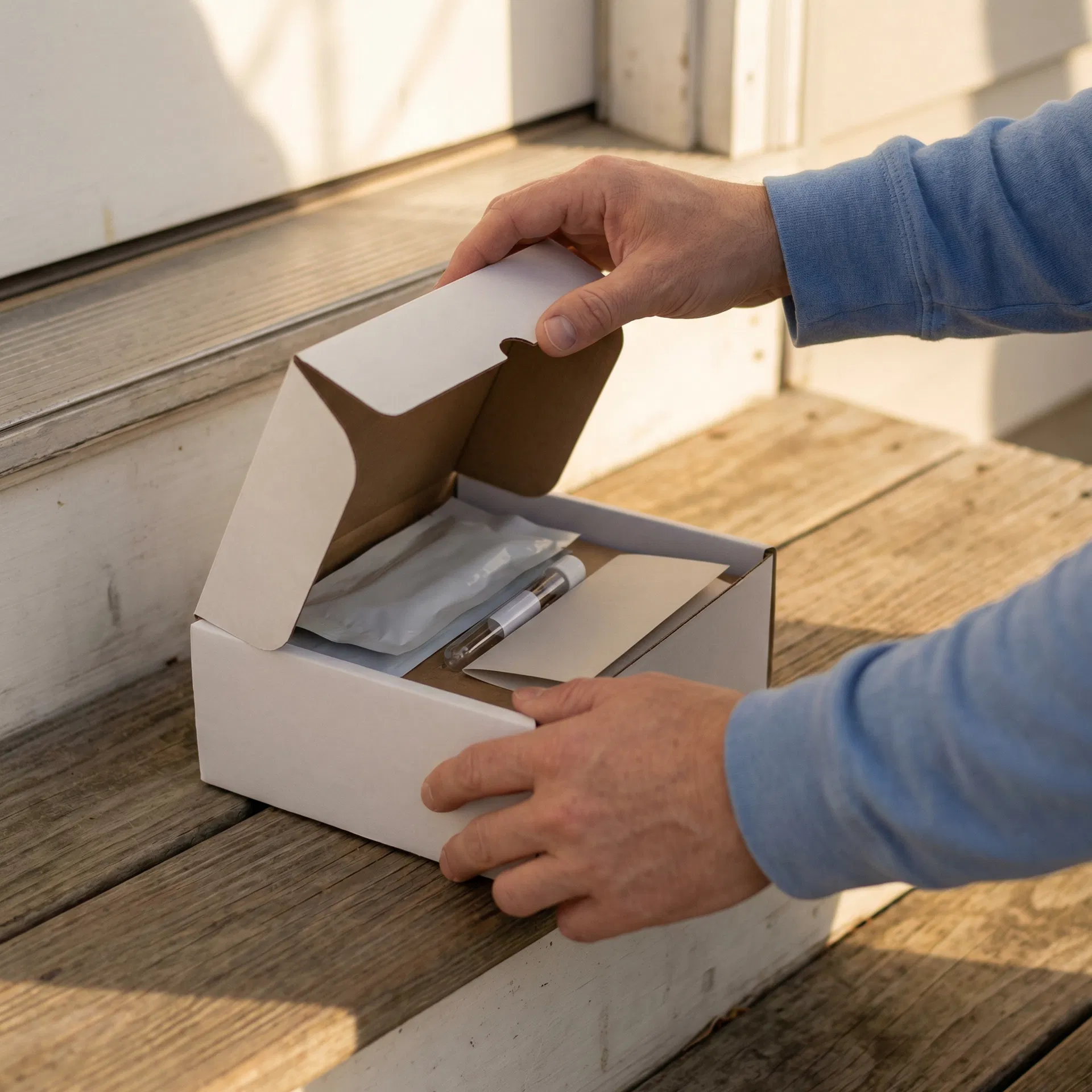
Kit to your door
Everything you need arrives in discreet packaging with step-by-step instructions inside.
 03
03
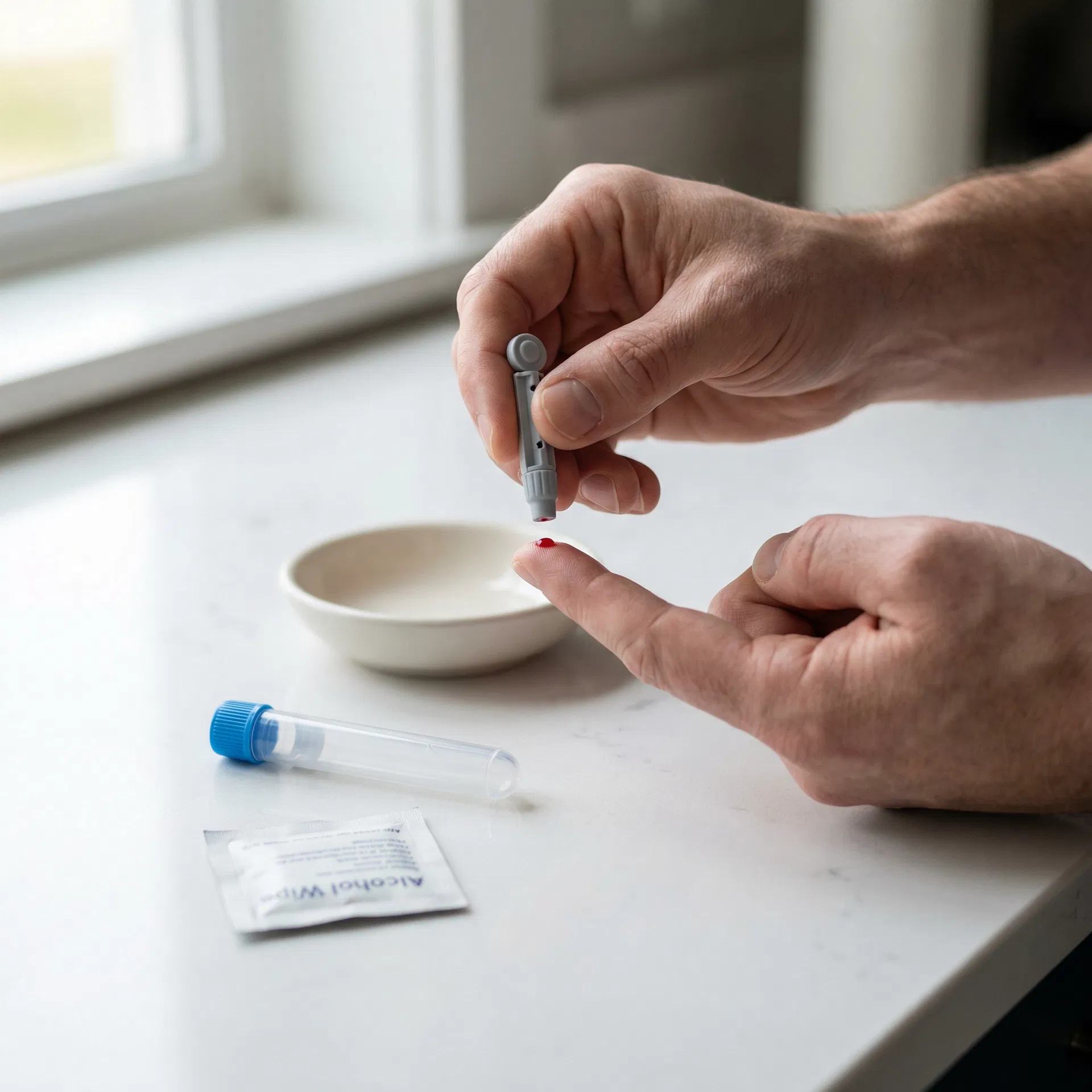
Collect your sample
Follow the simple instructions in your kit — whether it's a finger-prick at home or a venous draw at a partner clinic.
 04
04
Insights delivered
Clear, easy-to-understand results sent to you online with actionable health guidance.
Frequently asked questions
The Plus version includes additional markers for a more comprehensive assessment of alcohol's impact on your health, typically including PEth alongside the standard liver markers and CDT.
Fasting is preferred. Fast for 8-12 hours if possible.
You may also be interested in

Alcohol Profile Blood Test
A comprehensive five-biomarker blood alcohol profile (PEth, CDT, liver function, MCV, blood alcohol) providing both direct and indirect evidence of alcohol consumption over the past 3-4 weeks — ideal for occupational health, recovery monitoring, and personal accountability.
Results estimated in 3 working days
5 biomarkers

PEth Alcohol Blood Test
A home blood test measuring PEth (phosphatidylethanol), the gold-standard direct biomarker for alcohol consumption — detects drinking over the past 3-4 weeks with >99% accuracy, unaffected by medications or liver disease.
Results estimated in 3 working days
1 biomarkers

Ethyl Glucuronide (ETG) Urine Test
A urine ethyl glucuronide (EtG) test detecting recent alcohol consumption up to 80 hours after drinking — used for abstinence monitoring, treatment programmes, and zero-tolerance situations where standard alcohol tests miss past drinking.
Results estimated in 2 working days
1 biomarkers