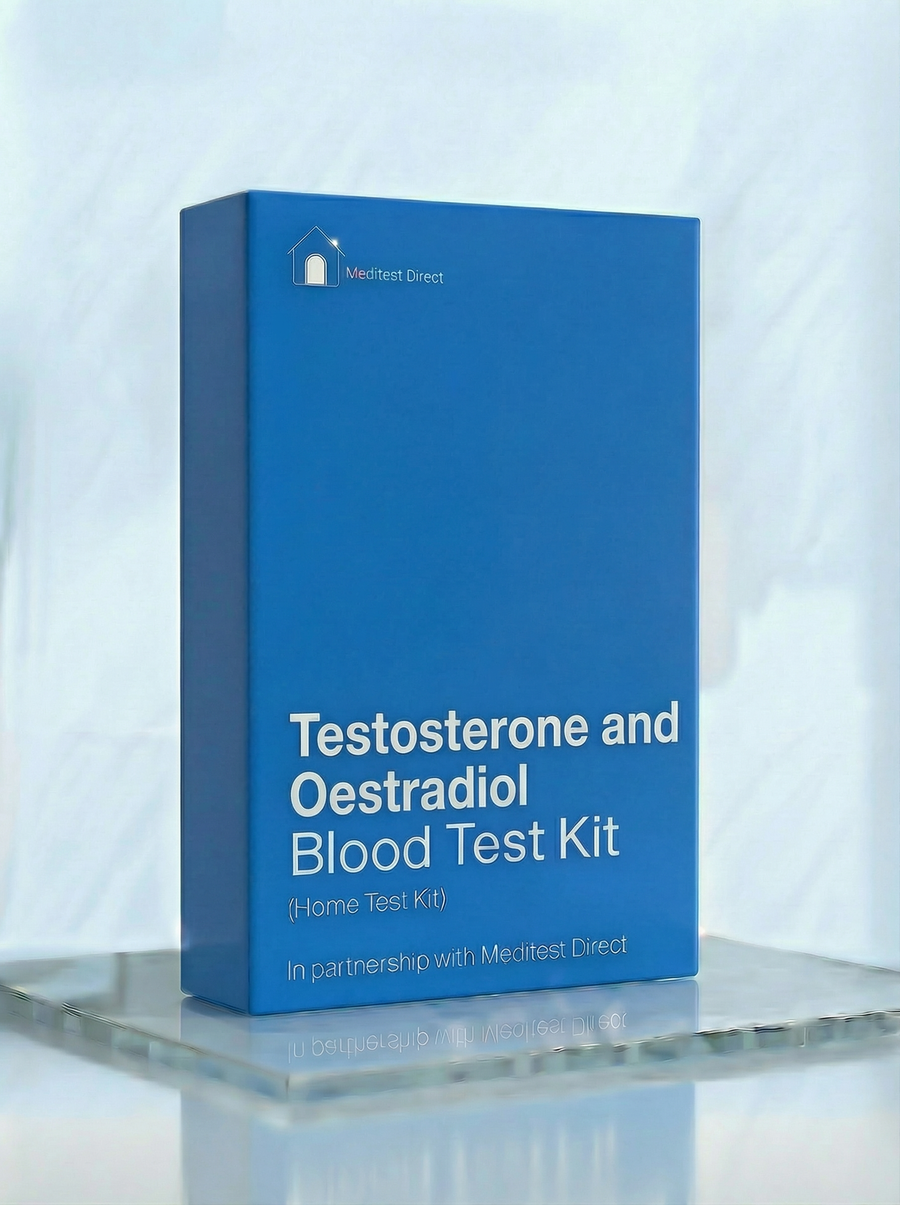
Testosterone and Oestradiol Blood Test Kit
£63 ✓ In Stock
Your sample goes to a UKAS accredited laboratory meeting ISO 15189 standards.
After you receive your order confirmation email, please reply with your date of birth.
How it works
Your testing journey
From order to results in four simple steps. Full transparency on where each step happens and what it costs.

Receive your kit by post
Dispatched same working day if ordered before 3pm. Royal Mail Tracked delivery, typically 1–3 working days. 90% of kits arrive within 24 hours.

Visit a partner clinic
Book a phlebotomy appointment at one of our 365+ UK partner clinics. Take your kit with you — the phlebotomist will collect your sample using the materials provided.
Phlebotomy fee applies (paid at clinic)
Venous blood draw at a clinic
A trained phlebotomist takes a small blood sample from a vein in your arm using the vacutainers provided in your kit. The appointment takes around 10 minutes.

Return by prepaid envelope
Seal your sample in the biohazard bag provided and drop it in any Royal Mail postbox using the prepaid Tracked 24 envelope. Post Monday–Thursday for best results.
Venous Blood Collection Kit
This kit is sent to you and taken to your chosen clinic. The phlebotomist will collect your sample using the materials provided.
- 1Vacutainer blood collection tubes
- 2Needle and butterfly needle
- 3Tourniquet
- 4Alcohol swab
- 5Cotton wool and gauze
- 6Adhesive plaster
- 7Biohazard specimen bag
- 8Prepaid return envelope (Royal Mail Tracked 24)
- 9Laboratory request form
- 10Instructions for the phlebotomist
Testosterone is the primary androgen (male sex hormone), though it plays important roles in both sexes. In men, testosterone is produced mainly by the Leydig cells in the testes, with smaller amounts from the adrenal glands. It's responsible for the development of male characteristics during puberty and continues to regulate libido, erectile function, sperm production, muscle mass and strength, bone density, fat distribution, red blood cell production, and mood throughout adult life. Normal testosterone in men is typically 8.6-29 nmol/L, declining gradually (approximately 1-2% per year) after age 30. In women, testosterone is produced by the ovaries and adrenal glands in much smaller amounts (normal range approximately 0.5-2.5 nmol/L). Despite the lower levels, testosterone is important for women's libido, energy, muscle tone, bone health, and general wellbeing. Excess testosterone in women can cause symptoms of androgen excess: acne, oily skin, excess facial and body hair (hirsutism), scalp hair thinning, and menstrual irregularities. This pattern is often seen in polycystic ovary syndrome (PCOS). The relationship between testosterone and oestradiol is important because testosterone can be converted to oestradiol by the enzyme aromatase, found primarily in fat tissue. In men with higher body fat, more testosterone is aromatised to oestradiol, potentially causing symptoms of relative oestrogen excess (breast tenderness, gynaecomastia) alongside symptoms of testosterone deficiency. This is why checking both hormones together provides more complete information than either alone. Results outside the normal range may need a follow-up with your GP.
Oestradiol is the most potent and abundant of the three oestrogens (oestradiol, oestrone, oestriol). In premenopausal women, oestradiol is produced primarily by the ovaries and is the dominant oestrogen. It regulates the menstrual cycle, promotes development of female secondary sexual characteristics, maintains the uterine lining, supports bone density, affects cholesterol metabolism (generally protective for cardiovascular health), influences mood and cognition, and has numerous other effects throughout the body. Oestradiol levels vary dramatically across the menstrual cycle: low in the early follicular phase (typically 100-400 pmol/L), rising to a pre-ovulatory peak (400-1500+ pmol/L), then settling to moderate levels in the luteal phase. After menopause, ovarian oestradiol production ceases and levels fall dramatically (typically below 100 pmol/L). This oestrogen withdrawal causes menopausal symptoms: hot flushes, night sweats, vaginal dryness, mood changes, sleep disturbance, and accelerated bone loss. Hormone replacement therapy (HRT) restores oestradiol levels to relieve these symptoms and protect bone health. In men, oestradiol is produced primarily through aromatisation of testosterone in peripheral tissues (fat, liver, muscle, bone). Normal oestradiol in men is typically 40-160 pmol/L. Men need some oestradiol—it's important for bone health, brain function, and even libido. However, excess oestradiol in men can cause problems: gynaecomastia (breast tissue enlargement), water retention, mood changes, and can contribute to erectile dysfunction. Men on testosterone replacement therapy need to monitor oestradiol because exogenous testosterone can be aromatised to oestradiol; if levels become excessive, symptoms may develop and aromatase inhibitors may be considered (though these should be used cautiously due to their own effects on bone health and lipids). Results outside the normal range may need a follow-up with your GP.
This test is for screening and information only — it is not a medical diagnosis or professional advice. Please have your results reviewed by a qualified doctor or healthcare provider who can explain what they mean for your personal health situation. If your results show anything outside the normal range, or if you're worried about your health, see your doctor as soon as you can. Don't change any medications or treatments based on these results alone — always talk to your healthcare provider first.
NO CLINICS, NO QUEUES, NO HASSLE
Four steps to clarity
 01
01
Pick your panel
Browse over 200 clinically designed test kits and choose the one that fits your goals.
 02
02
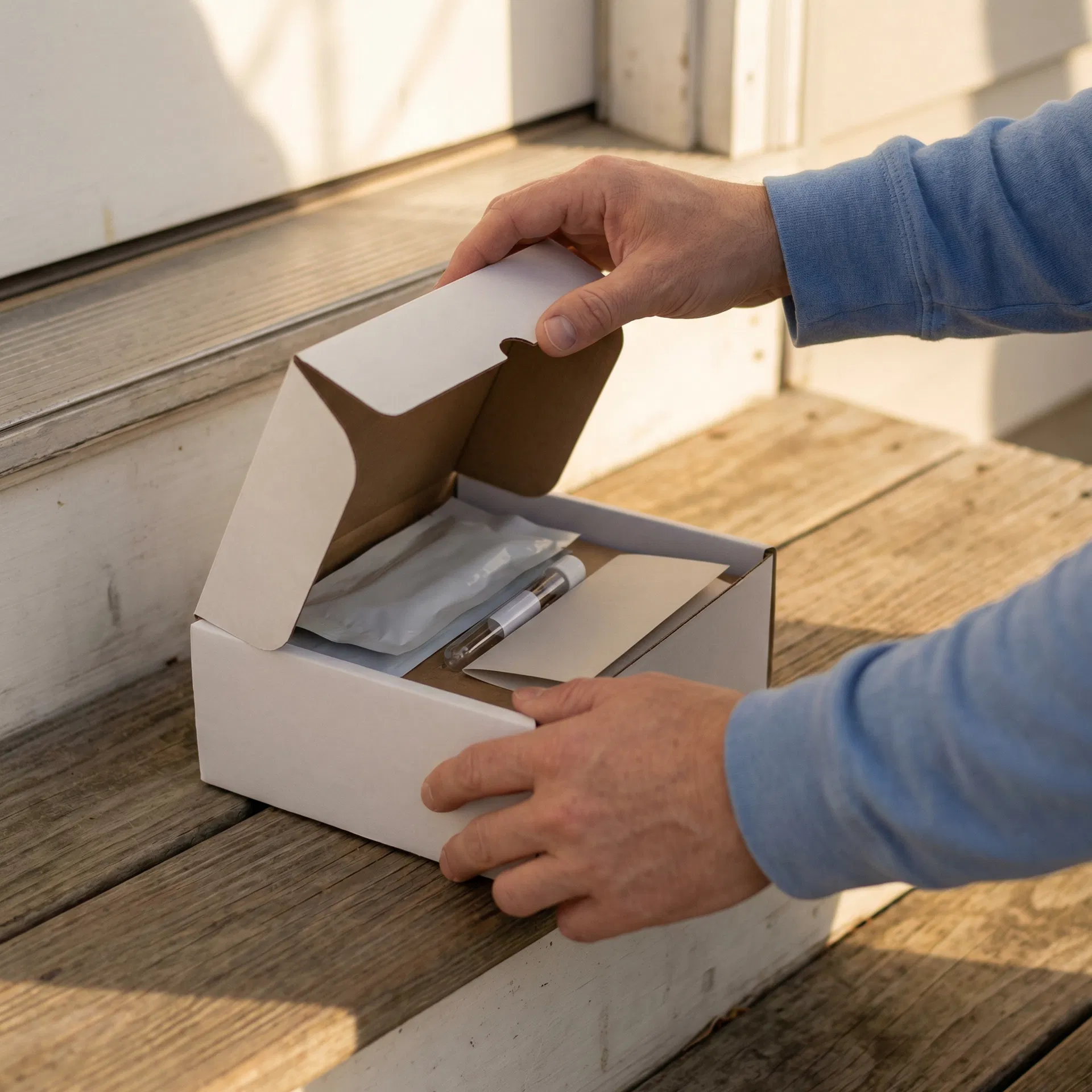
Kit to your door
Everything you need arrives in discreet packaging with step-by-step instructions inside.
 03
03
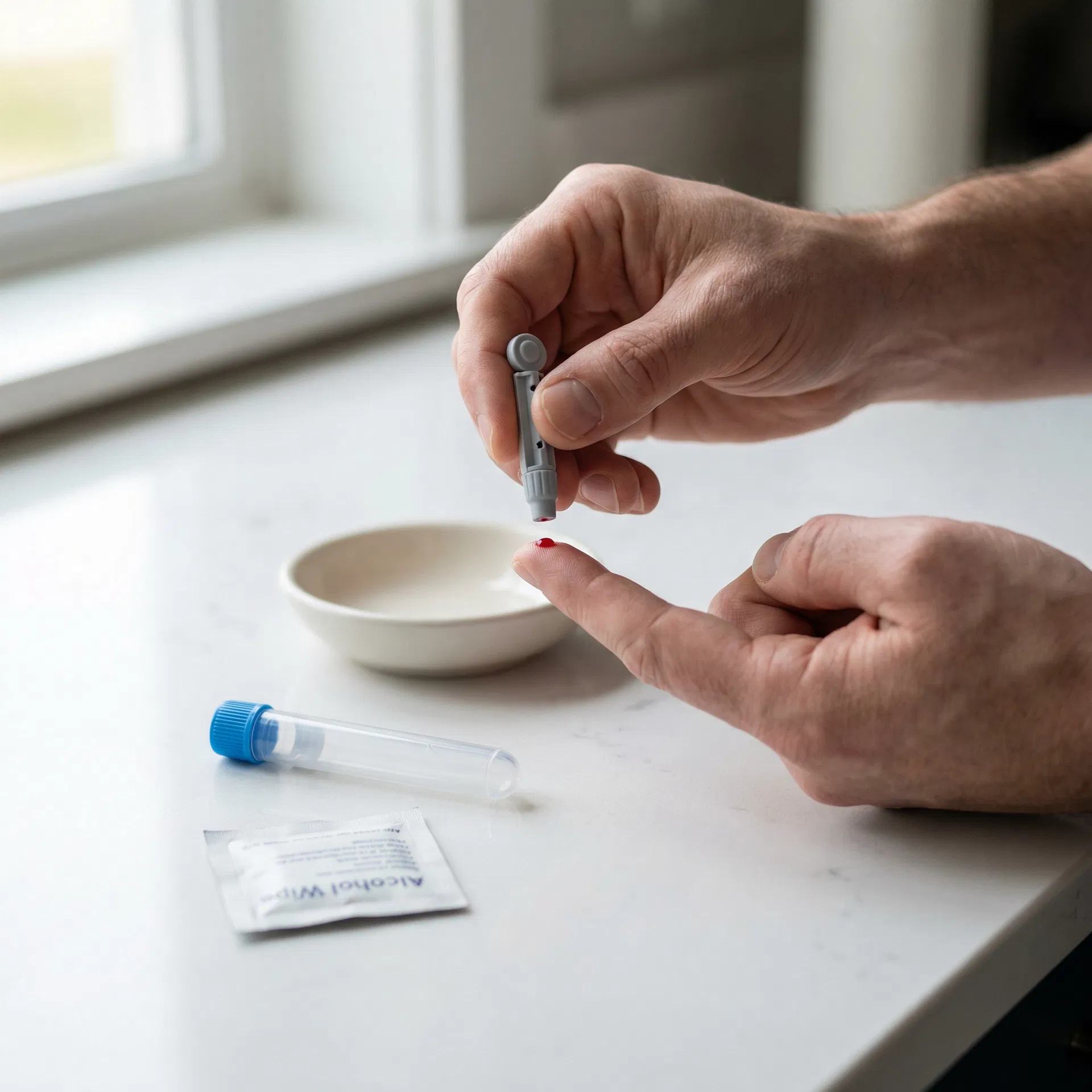
Collect your sample
Follow the simple instructions in your kit — whether it's a finger-prick at home or a venous draw at a partner clinic.
 04
04
Insights delivered
Clear, easy-to-understand results sent to you online with actionable health guidance.
Frequently asked questions
Morning 7-10am when most hormones peak. For female hormone tests, cycle timing also matters — check Special Instructions on this page.
Testosterone peaks early morning and drops 30-50% by afternoon. Testing outside 7-10am may show falsely low results.
Sleep deprivation, obesity, alcohol, chronic stress, opioid medications, and some chronic illnesses. Confirm a low result with a repeat morning test before treatment decisions.
Not usually required for hormone tests unless the panel also includes cholesterol, glucose, or insulin markers. Check kit instructions.
Yes. Hormonal contraceptives, HRT, testosterone therapy, corticosteroids, and antidepressants can all affect hormone levels. Disclose all medications when discussing results.
You may also be interested in

Advanced Female Hormone Blood Test
A 12-biomarker venous blood panel covering hormones, proteins, thyroid hormones and autoimmunity — ideal for investigating relevant symptoms or monitoring health.
Results estimated in 2 working days
12 biomarkers

Advanced Female Fertility Blood Test Kit
A 12-biomarker venous blood panel covering hormones and proteins — ideal for investigating female fertility and reproductive health.
Results estimated in 2 working days
12 biomarkers

Female Infertility Check Blood test
A 4-biomarker venous blood panel covering female fertility hormones — ideal for investigating female fertility and reproductive health.
Results estimated in 2 working days
4 biomarkers

Ultimate Performance Blood Test Kit
A 56-biomarker venous blood panel covering cholesterol status, diabetes, liver function and other key health markers — ideal for athletes and active people tracking training adaptation, recovery, and performance.
Results estimated in 3 working days
56 biomarkers