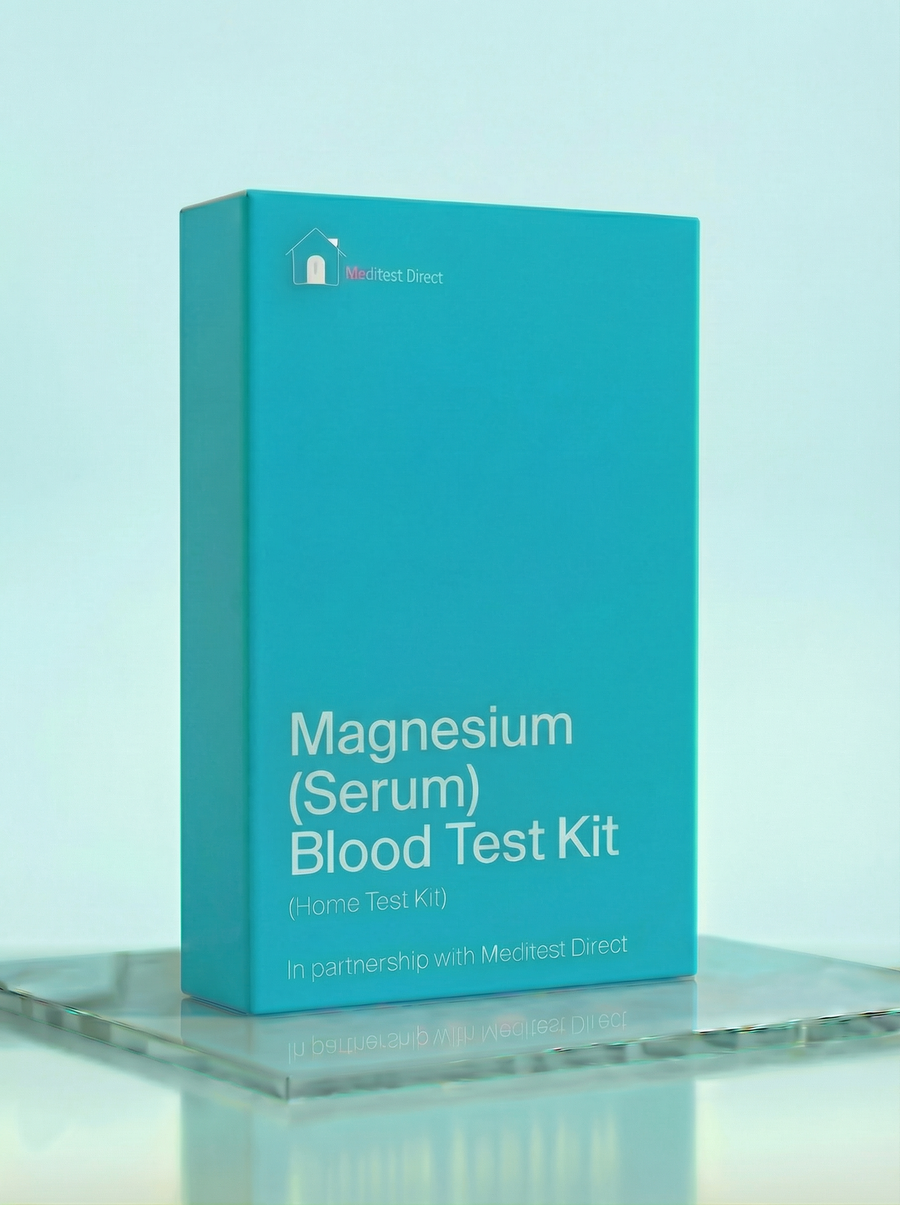
Magnesium (serum) Blood Test Kit
£54 ✓ In Stock
Your sample goes to a UKAS accredited laboratory meeting ISO 15189 standards.
After you receive your order confirmation email, please reply with your date of birth.
How it works
Your testing journey
From order to results in four simple steps. Full transparency on where each step happens and what it costs.

Receive your kit by post
Dispatched same working day if ordered before 3pm. Royal Mail Tracked delivery, typically 1–3 working days. 90% of kits arrive within 24 hours.

Visit a partner clinic
Book a phlebotomy appointment at one of our 365+ UK partner clinics. Take your kit with you — the phlebotomist will collect your sample using the materials provided.
Phlebotomy fee applies (paid at clinic)
Venous blood draw at a clinic
A trained phlebotomist takes a small blood sample from a vein in your arm using the vacutainers provided in your kit. The appointment takes around 10 minutes.

Return by prepaid envelope
Seal your sample in the biohazard bag provided and drop it in any Royal Mail postbox using the prepaid Tracked 24 envelope. Post Monday–Thursday for best results.
Venous Blood Collection Kit
This kit is sent to you and taken to your chosen clinic. The phlebotomist will collect your sample using the materials provided.
- 1Vacutainer blood collection tubes
- 2Needle and butterfly needle
- 3Tourniquet
- 4Alcohol swab
- 5Cotton wool and gauze
- 6Adhesive plaster
- 7Biohazard specimen bag
- 8Prepaid return envelope (Royal Mail Tracked 24)
- 9Laboratory request form
- 10Instructions for the phlebotomist
Magnesium is an essential mineral that serves as a cofactor for over 300 enzyme systems in the body, regulating diverse biochemical reactions including protein synthesis, muscle and nerve function, blood glucose control, and blood pressure regulation. It's required for energy production (ATP synthesis), oxidative phosphorylation, glycolysis, and the structural development of bone. Magnesium also plays a crucial role in the active transport of calcium and potassium ions across cell membranes—a process critical for nerve impulse conduction, muscle contraction, and normal heart rhythm. The body contains approximately 25 grams of magnesium in an adult, with 50-60% stored in bones, 39-49% inside cells (particularly muscle and soft tissue), and only about 1% in blood and extracellular fluid. The kidneys primarily regulate magnesium balance, adjusting urinary excretion to match intake. Dietary sources include green leafy vegetables (spinach, kale), nuts (almonds, cashews), seeds (pumpkin, chia), whole grains, legumes, dark chocolate, avocados, bananas, and fish. Refined and processed foods tend to be low in magnesium. Magnesium deficiency (hypomagnesaemia) is more common than often recognised. Early symptoms can be subtle and non-specific: loss of appetite, nausea, fatigue, and weakness. As deficiency progresses, symptoms may include muscle cramps, spasms, or twitching (including eyelid twitches), numbness and tingling, personality changes, abnormal heart rhythms, and seizures. Chronic magnesium deficiency is associated with increased risk of hypertension, cardiovascular disease, type 2 diabetes, osteoporosis, and migraines. Risk factors for deficiency include gastrointestinal diseases (Crohn's, coeliac, chronic diarrhoea), type 2 diabetes, alcohol dependence, older age, and certain medications. Normal serum magnesium levels are typically 0.7-1.0 mmol/L (or 1.7-2.4 mg/dL). Levels below 0.7 mmol/L indicate deficiency. However, because serum levels are tightly regulated by the body, they can remain in the normal range even when total body stores are depleted—sometimes called "subclinical" or "chronic latent" magnesium deficiency. If you have symptoms or risk factors for deficiency with borderline-normal serum levels, a trial of magnesium supplementation may still be worthwhile. High serum magnesium (hypermagnesaemia) is rare and usually occurs only with kidney failure or excessive supplementation—symptoms include low blood pressure, nausea, flushing, and in severe cases, muscle weakness and cardiac arrest. Results outside the normal range may need a follow-up with your GP.
This test is for screening and information only — it is not a medical diagnosis or professional advice. Please have your results reviewed by a qualified doctor or healthcare provider who can explain what they mean for your personal health situation. If your results show anything outside the normal range, or if you're worried about your health, see your doctor as soon as you can. Don't change any medications or treatments based on these results alone — always talk to your healthcare provider first.
NO CLINICS, NO QUEUES, NO HASSLE
Four steps to clarity
 01
01
Pick your panel
Browse over 200 clinically designed test kits and choose the one that fits your goals.
 02
02
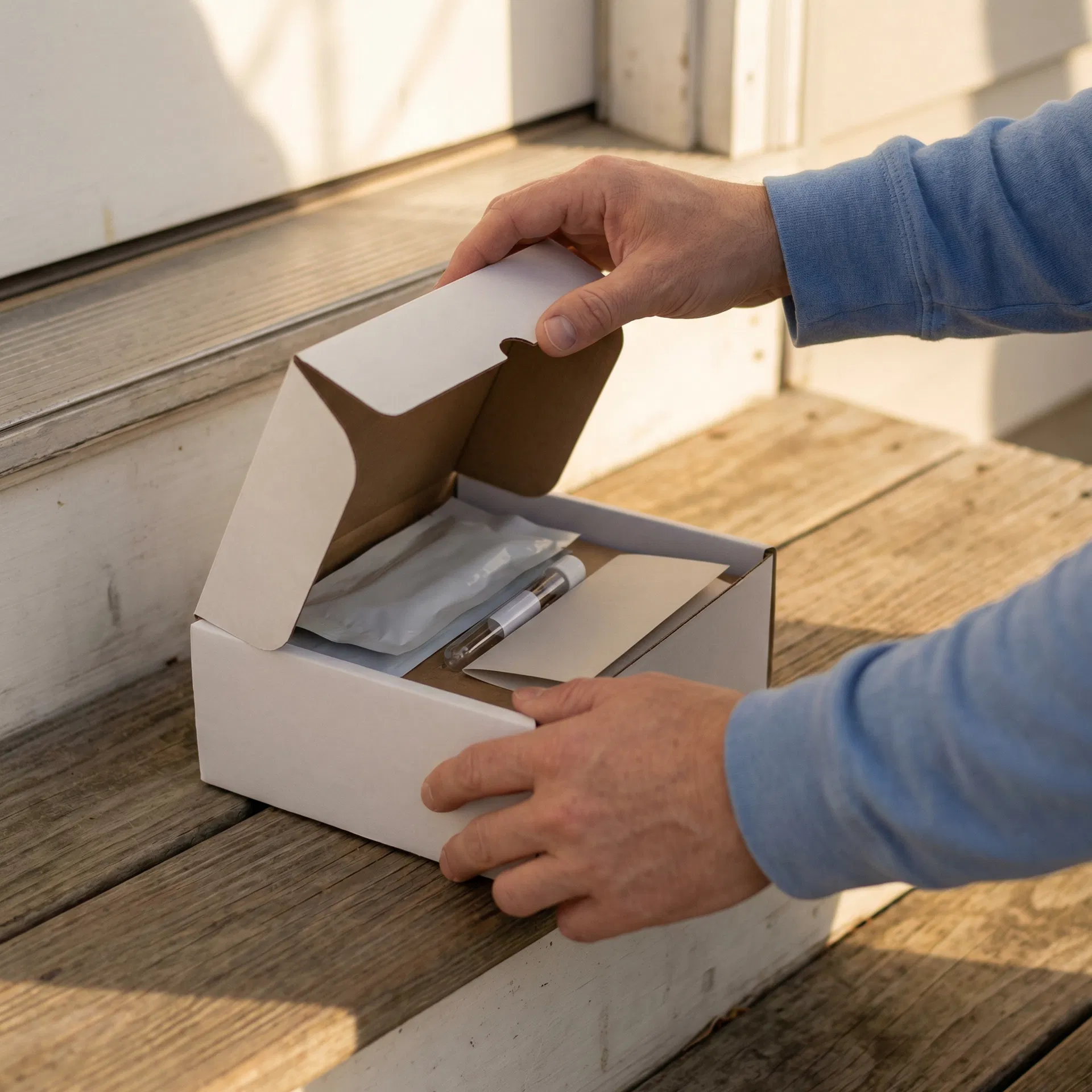
Kit to your door
Everything you need arrives in discreet packaging with step-by-step instructions inside.
 03
03
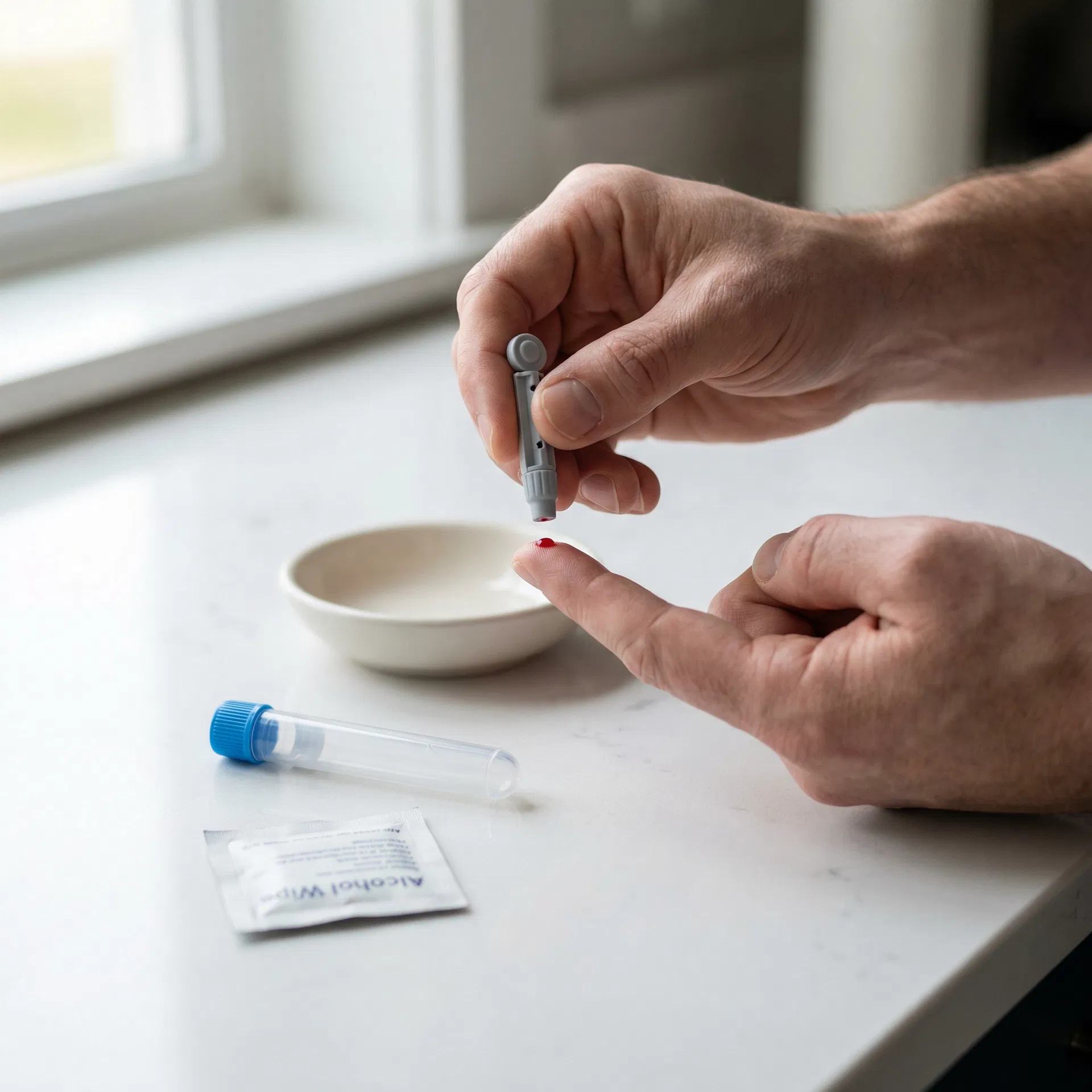
Collect your sample
Follow the simple instructions in your kit — whether it's a finger-prick at home or a venous draw at a partner clinic.
 04
04
Insights delivered
Clear, easy-to-understand results sent to you online with actionable health guidance.
Frequently asked questions
Muscle cramps, twitching, fatigue, weakness, irritability, poor sleep, heart palpitations, numbness/tingling. Mild deficiency is very common and often underdiagnosed.
For baseline: stop 48 hours before. To check if dose is adequate: continue as normal.
No.
You may also be interested in

Advanced Vitamins Blood Test
A 10-biomarker venous blood panel covering fat-soluble vitamins and b vitamins — ideal for investigating relevant symptoms or monitoring health.
Results estimated in 3 working days
10 biomarkers
Venous collection
Ultimate Performance Blood Test Kit
A 56-biomarker venous blood panel covering cholesterol status, diabetes, liver function and other key health markers — ideal for athletes and active people tracking training adaptation, recovery, and performance.
Results estimated in 3 working days
56 biomarkers

Driver's Tiredness Blood Test
A 6-biomarker venous blood panel covering inflammation, iron status, thyroid hormones and vitamins — ideal for investigating ongoing tiredness, low energy, or suspected medical causes.
Results estimated in 5 working days
6 biomarkers