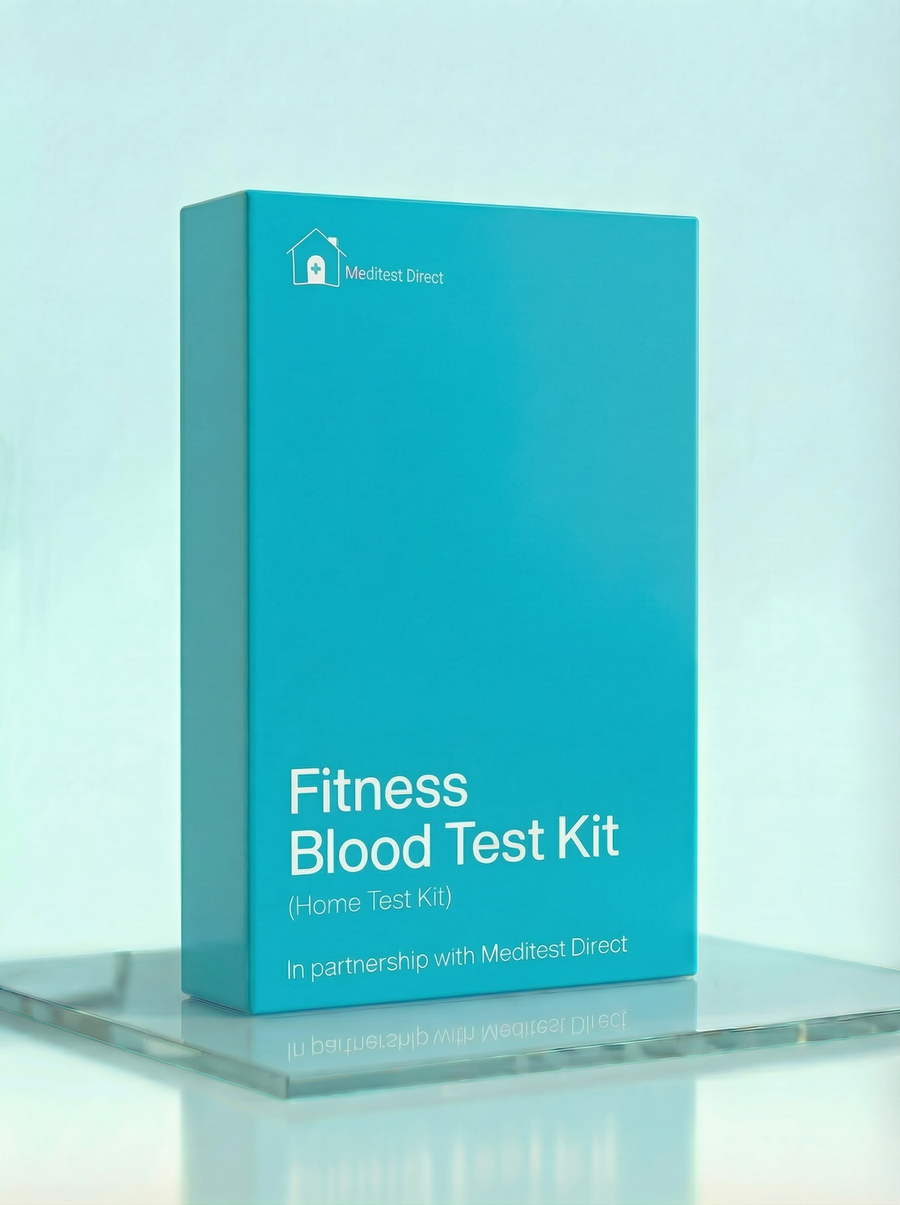
Fitness Blood Test Kit
£82 ✓ In Stock
Your sample goes to a UKAS accredited laboratory meeting ISO 15189 standards.
After you receive your order confirmation email, please reply with your date of birth.
How it works
Your testing journey
From order to results in four simple steps. Full transparency on where each step happens and what it costs.

Receive your kit by post
Dispatched same working day if ordered before 3pm. Royal Mail Tracked delivery, typically 1–3 working days. 90% of kits arrive within 24 hours.

Visit a partner clinic
Book a phlebotomy appointment at one of our 365+ UK partner clinics. Take your kit with you — the phlebotomist will collect your sample using the materials provided.
Phlebotomy fee applies (paid at clinic)
Venous blood draw at a clinic
A trained phlebotomist takes a small blood sample from a vein in your arm using the vacutainers provided in your kit. The appointment takes around 10 minutes.

Return by prepaid envelope
Seal your sample in the biohazard bag provided and drop it in any Royal Mail postbox using the prepaid Tracked 24 envelope. Post Monday–Thursday for best results.
Venous Blood Collection Kit
This kit is sent to you and taken to your chosen clinic. The phlebotomist will collect your sample using the materials provided.
- 1Vacutainer blood collection tubes
- 2Needle and butterfly needle
- 3Tourniquet
- 4Alcohol swab
- 5Cotton wool and gauze
- 6Adhesive plaster
- 7Biohazard specimen bag
- 8Prepaid return envelope (Royal Mail Tracked 24)
- 9Laboratory request form
- 10Instructions for the phlebotomist
Testosterone is the primary anabolic hormone responsible for muscle protein synthesis, strength gains, recovery, bone density, and training motivation. In men, it's produced mainly by the testes; in women, smaller amounts are produced by the ovaries and adrenal glands. Both sexes need adequate testosterone for optimal athletic performance, body composition, and recovery. Low testosterone can result from overtraining (particularly high-volume endurance training), chronic energy deficit or inadequate calorie intake, poor sleep, chronic stress, or underlying health conditions. Signs of low testosterone include declining performance, poor recovery, persistent fatigue, reduced motivation, loss of muscle mass, and decreased libido. In endurance athletes, relative energy deficiency in sport (RED-S) can suppress testosterone production. Testosterone should be measured in the early morning (6-10am) when levels peak. Results outside the normal range may need a follow-up with your GP.
Ferritin is a protein that stores iron in your body. Iron is essential for haemoglobin production (oxygen transport in red blood cells), myoglobin (oxygen storage in muscles), and energy-producing enzymes. For athletes, adequate iron is crucial for oxygen delivery to working muscles and maintaining endurance capacity. Athletes—particularly endurance athletes, female athletes, and vegetarians/vegans—are at increased risk of iron deficiency. Contributing factors include increased iron losses through sweat, gastrointestinal bleeding from running impact ('foot-strike haemolysis'), menstruation, and inadequate dietary intake. Low ferritin causes fatigue, reduced performance, and poor recovery even before full anaemia develops. Many sports medicine experts recommend ferritin levels of 50-70 µg/L or above for optimal performance, rather than just above the lab 'normal' threshold. Note that ferritin rises with inflammation, so interpret alongside hs-CRP. Results outside the normal range may need a follow-up with your GP.
Bilirubin is a yellow-orange pigment produced when the liver breaks down old red blood cells. It's processed by the liver, excreted in bile, and gives faeces their brown colour. Bilirubin serves as a marker of liver health and red blood cell turnover. Intense endurance exercise can increase red blood cell destruction (exercise-induced haemolysis), which may slightly elevate bilirubin. The most common cause of mildly elevated bilirubin is Gilbert's syndrome—a harmless genetic variation affecting 3-7% of the population. Higher elevations may indicate liver stress from supplements, medications, or alcohol. Jaundice (yellowing of skin/eyes) occurs with significantly elevated bilirubin. Results outside the normal range may need a follow-up with your GP.
Alkaline phosphatase (ALP) is an enzyme found in the liver, bile ducts, and bones. It plays a role in bone mineralisation and is released when bones are actively remodelling or when there's liver/bile duct stress. Athletes may have mildly elevated ALP due to bone remodelling from weight-bearing exercise, resistance training, or impact sports—this is generally a healthy adaptation indicating active bone turnover. However, very high ALP or ALP elevated alongside other liver enzymes (ALT, GGT) may indicate liver problems rather than bone turnover. Young athletes and those in heavy training often have higher ALP than sedentary individuals. To distinguish between bone and liver sources, ALP should be interpreted alongside ALT and GGT. Results outside the normal range may need a follow-up with your GP.
Alanine aminotransferase (ALT) is an enzyme found predominantly in the liver. When liver cells are damaged or inflamed, ALT leaks into the bloodstream. Because ALT is found mainly in the liver, elevated levels are fairly specific to liver problems. For athletes, ALT is an important marker for monitoring liver health, particularly for those using supplements (including protein powders, pre-workouts, fat burners, and herbal products), taking medications, or consuming alcohol. Intense exercise—particularly eccentric muscle contractions or activities causing significant muscle damage—can temporarily elevate ALT for 24-72 hours, as ALT is also present in muscle. To assess true liver health, test during a rest period (48+ hours after intense training). Persistently elevated ALT warrants investigation and review of supplements. Results outside the normal range may need a follow-up with your GP.
Gamma-glutamyl transferase (GGT) is a liver enzyme particularly sensitive to alcohol consumption and bile duct function. Unlike ALT, GGT is not significantly affected by muscle damage from exercise, making it a more specific liver marker for athletes. GGT is elevated in approximately 75% of people who drink alcohol regularly, making it useful for assessing alcohol's impact on liver health. It can also be elevated by certain supplements (including some herbal products and fat burners), medications, and fatty liver disease. For athletes, comparing ALT and GGT can help distinguish between exercise-induced muscle enzyme elevation (ALT elevated, GGT normal) versus true liver stress (both elevated). If GGT is elevated, review your supplement regimen and alcohol intake. Results outside the normal range may need a follow-up with your GP.
Total cholesterol measures all cholesterol circulating in your blood, including protective HDL and potentially harmful LDL fractions. Cholesterol is essential for hormone production (including testosterone), cell membrane structure, and vitamin D synthesis. For athletes, monitoring cholesterol helps assess cardiovascular health and track the effects of dietary and training interventions. Regular exercise generally has positive effects on the cholesterol profile—it typically raises protective HDL cholesterol. However, some athletes, particularly those on high-fat or ketogenic diets, may see elevated total cholesterol. The detailed breakdown into LDL, HDL, and triglycerides is more informative than total cholesterol alone. Results outside the normal range may need a follow-up with your GP.
LDL (low-density lipoprotein) cholesterol is often called 'bad cholesterol' because elevated levels contribute to atherosclerosis—the build-up of fatty plaques in artery walls that increases cardiovascular disease risk. LDL particles transport cholesterol to tissues, but excess LDL can penetrate arterial walls and trigger plaque formation. Athletes should monitor LDL to ensure their training and nutrition support long-term cardiovascular health, particularly those on high-protein or high-fat diets. Regular aerobic exercise typically helps lower LDL, while resistance training may have more variable effects. Current guidelines recommend LDL below 3.0 mmol/L for most adults. Results outside the normal range may need a follow-up with your GP.
Non-HDL cholesterol is calculated by subtracting protective HDL from total cholesterol. It represents all potentially harmful cholesterol particles—LDL plus VLDL (very low-density lipoprotein) and other atherogenic fractions. Many experts consider non-HDL a superior cardiovascular risk marker compared to LDL alone because it captures the full atherogenic burden. Non-HDL is particularly useful for athletes who may have elevated triglycerides from high carbohydrate intake or who eat shortly before testing. Unlike LDL (which is calculated and can be inaccurate with high triglycerides), non-HDL provides a reliable measure of harmful cholesterol. The target is below 4.0 mmol/L for most adults. Results outside the normal range may need a follow-up with your GP.
HDL (high-density lipoprotein) cholesterol is called 'good cholesterol' because it performs reverse cholesterol transport—collecting excess cholesterol from tissues and artery walls and returning it to the liver for disposal. Higher HDL levels are protective against cardiovascular disease. Regular aerobic exercise is one of the most effective ways to raise HDL cholesterol—active individuals often have notably higher HDL than sedentary people. This is one of the key cardiovascular benefits of exercise. Levels above 1.0 mmol/L in men and 1.2 mmol/L in women are generally considered protective, though many athletes achieve levels well above this. Low HDL despite regular exercise may warrant investigation into diet, genetics, or other factors. Results outside the normal range may need a follow-up with your GP.
The cholesterol: HDL ratio indicates what proportion of your total cholesterol is the protective HDL type. It's calculated by dividing total cholesterol by HDL cholesterol. A lower ratio indicates better cardiovascular health—you want more of your cholesterol to be the protective HDL type. Regular training typically improves this ratio through increased HDL levels. An ideal ratio is below 4; a ratio between 4-6 indicates moderate risk; and above 6 indicates significantly increased risk. Athletes often achieve excellent ratios (below 3.5) due to their elevated HDL. Monitoring this ratio over time helps track the cardiovascular benefits of your training programme. Results outside the normal range may need a follow-up with your GP.
Triglycerides are fats that circulate in your blood, providing energy to muscles. After eating, your body converts excess calories into triglycerides for storage; between meals, triglycerides are released from fat stores to fuel activity. For athletes, triglycerides serve as an important fuel source during prolonged endurance exercise. Elevated fasting triglycerides may indicate excessive calorie intake, high sugar or refined carbohydrate consumption, excessive alcohol, or metabolic issues. Very high triglycerides (>10 mmol/L) increase pancreatic inflammation risk. The target is below 1.7 mmol/L. Triglycerides rise significantly after eating, so avoid fatty foods for 8 hours before testing for accurate results. Regular exercise typically helps lower triglycerides. Results outside the normal range may need a follow-up with your GP.
Active vitamin B12 (holotranscobalamin) measures the biologically available form of B12—the fraction that can actually be taken up by cells and used. This is more accurate than total B12, which includes inactive forms. B12 is essential for red blood cell production, nerve function, DNA synthesis, and energy metabolism—all crucial for athletic performance. B12 deficiency causes fatigue, weakness, reduced endurance, numbness/tingling in extremities, and can impair athletic performance. Athletes at higher risk include vegetarians and vegans (B12 is found almost exclusively in animal products), those with gastrointestinal conditions affecting absorption, older athletes, and those using certain medications (metformin, proton pump inhibitors). Low B12 also causes macrocytic anaemia (large, inefficient red blood cells). To assess baseline status, stop B12 supplements for 2 weeks before testing. Results outside the normal range may need a follow-up with your GP.
Vitamin D is essential for bone health, muscle function, immune system performance, and plays a role in testosterone production. It's produced in the skin through sunlight exposure and obtained from limited dietary sources. Vitamin D deficiency is extremely common in the UK, particularly during winter months, and is widespread among athletes—especially those who train indoors. Low vitamin D impairs muscle strength and power, increases injury risk (particularly stress fractures), compromises recovery, suppresses immune function (increasing susceptibility to respiratory infections), and may reduce testosterone production. Many sports medicine experts recommend vitamin D levels of 75-100 nmol/L for optimal athletic performance, higher than the general population threshold of 50 nmol/L for sufficiency. Levels below 25 nmol/L indicate deficiency. Most people require supplementation during autumn and winter months. Results outside the normal range may need a follow-up with your GP.
High-sensitivity C-reactive protein measures low-level systemic inflammation. CRP is produced by the liver in response to inflammation anywhere in the body. For athletes, hs-CRP serves as a useful marker of recovery status and can help identify overtraining or inadequate recovery between sessions. Acute exercise temporarily elevates CRP for 24-72 hours—this is a normal part of the adaptive response to training. However, chronically elevated hs-CRP (when measured at rest, away from recent training) may indicate overtraining syndrome, insufficient recovery, underlying infection or illness, or excessive training volume without adequate rest. Persistently elevated inflammation impairs adaptation to training, increases injury risk, and compromises immune function. An hs-CRP below 1 mg/L indicates low inflammation; 1-3 mg/L is moderate; above 3 mg/L suggests elevated inflammation requiring investigation. Results outside the normal range may need a follow-up with your GP.
This test is for screening and information only — it is not a medical diagnosis or professional advice. Please have your results reviewed by a qualified doctor or healthcare provider who can explain what they mean for your personal health situation. If your results show anything outside the normal range, or if you're worried about your health, see your doctor as soon as you can. Don't change any medications or treatments based on these results alone — always talk to your healthcare provider first.
NO CLINICS, NO QUEUES, NO HASSLE
Four steps to clarity
 01
01
Pick your panel
Browse over 200 clinically designed test kits and choose the one that fits your goals.
 02
02
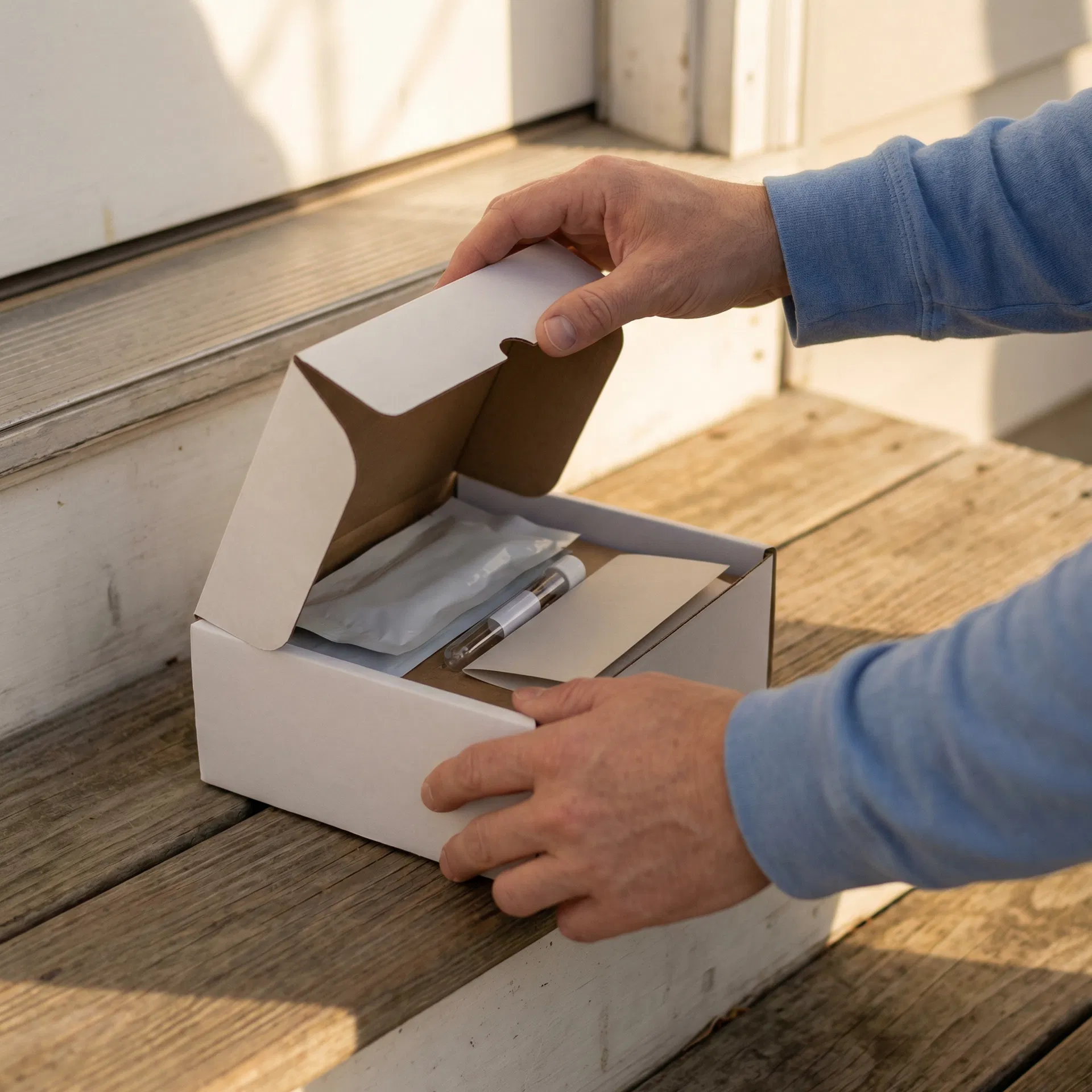
Kit to your door
Everything you need arrives in discreet packaging with step-by-step instructions inside.
 03
03
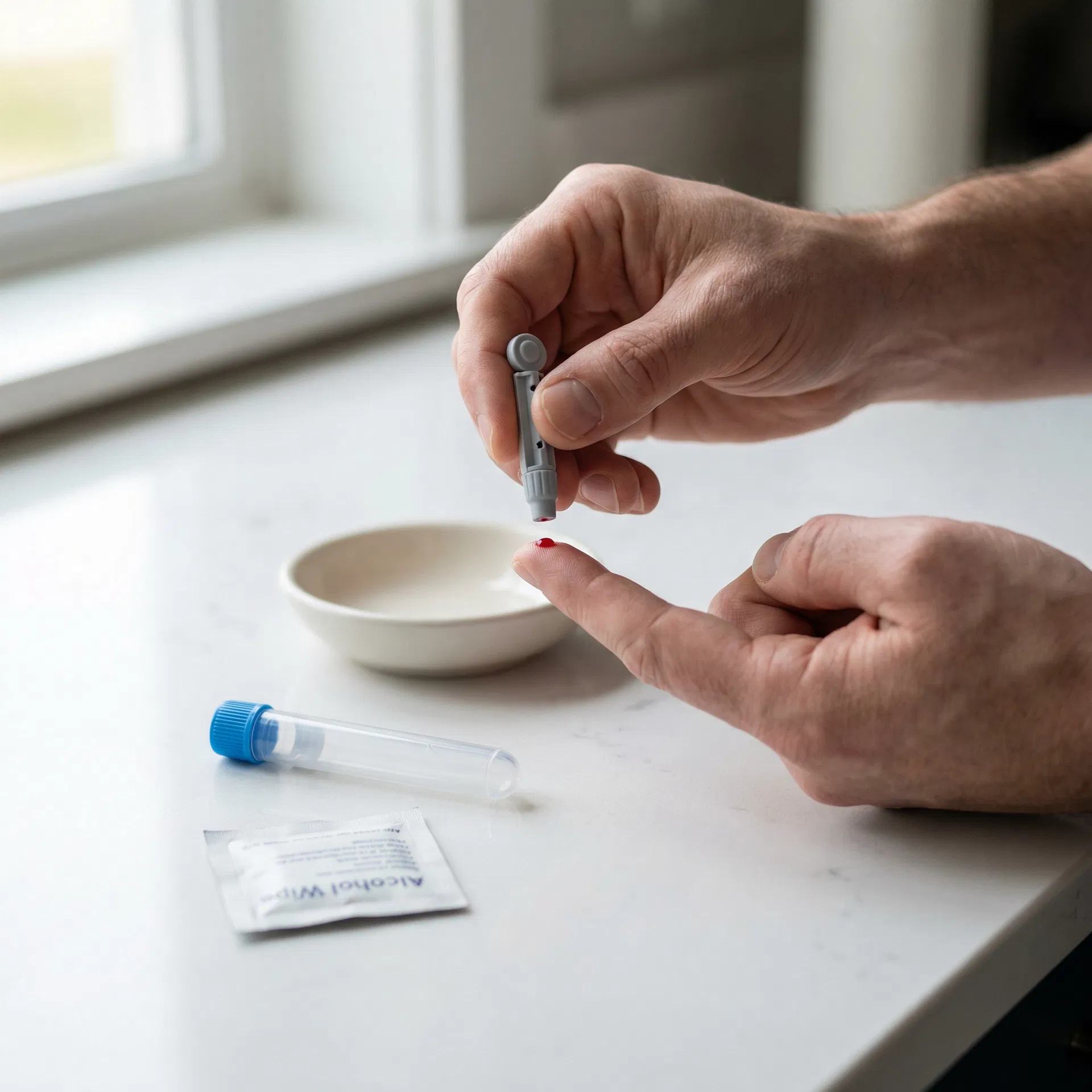
Collect your sample
Follow the simple instructions in your kit — whether it's a finger-prick at home or a venous draw at a partner clinic.
 04
04
Insights delivered
Clear, easy-to-understand results sent to you online with actionable health guidance.
Frequently asked questions
Collect on a rest day, morning 7-10am, after normal sleep. Intense exercise in the previous 24-72 hours can transiently affect many markers. For meaningful comparison over time, always test under the same conditions.
Testosterone and cortisol (training load/recovery), iron and ferritin (oxygen capacity), vitamin D (bone health/immunity), full blood count (red cell health), and inflammatory markers (overtraining detection). This panel covers the most relevant markers.
Yes. Overtraining can suppress testosterone, raise cortisol, deplete iron, elevate inflammation markers, and reduce immune function. Blood testing is one of the best tools for detecting overtraining early.
If cholesterol or glucose included, fast 8-12 hours. For hormones, vitamins, and FBC, fasting is not required. Check kit instructions.
You may also be interested in

Ultimate Performance Blood Test Kit
A 56-biomarker venous blood panel covering cholesterol status, diabetes, liver function and other key health markers — ideal for athletes and active people tracking training adaptation, recovery, and performance.
Results estimated in 3 working days
56 biomarkers

Advanced Fitness Blood Test Kit
A 29-biomarker venous blood panel covering adrenal hormones, cholesterol status, diabetes and other key health markers — ideal for athletes and active people tracking training adaptation, recovery, and performance.
Results estimated in 4 working days
29 biomarkers

Advanced Sports Hormone Blood Test Kit
A 42-biomarker venous blood panel covering cholesterol status, clotting status, diabetes and other key health markers — ideal for athletes and active people tracking training adaptation, recovery, and performance.
Results estimated in 3 working days
42 biomarkers

Driver's Tiredness Blood Test
A 6-biomarker venous blood panel covering inflammation, iron status, thyroid hormones and vitamins — ideal for investigating ongoing tiredness, low energy, or suspected medical causes.
Results estimated in 5 working days
6 biomarkers