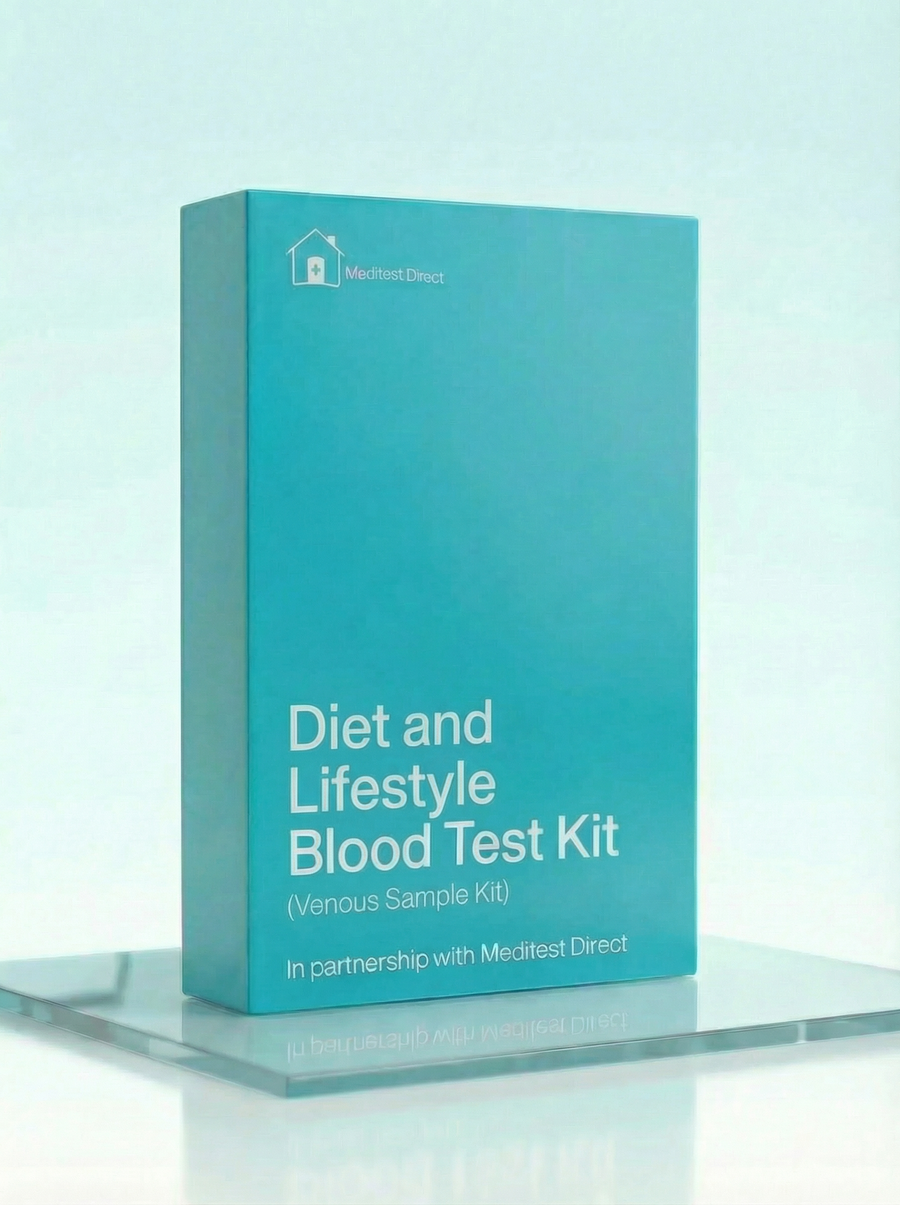
Diet and Lifestyle Blood Test
£95 ✓ In Stock
Your sample goes to a UKAS accredited laboratory meeting ISO 15189 standards.
After you receive your order confirmation email, please reply with your date of birth.
How it works
Your testing journey
From order to results in four simple steps. Full transparency on where each step happens and what it costs.

Receive your kit by post
Dispatched same working day if ordered before 3pm. Royal Mail Tracked delivery, typically 1–3 working days. 90% of kits arrive within 24 hours.

Visit a partner clinic
Book a phlebotomy appointment at one of our 365+ UK partner clinics. Take your kit with you — the phlebotomist will collect your sample using the materials provided.
Phlebotomy fee applies (paid at clinic)
Venous blood draw at a clinic
A trained phlebotomist takes a small blood sample from a vein in your arm using the vacutainers provided in your kit. The appointment takes around 10 minutes.

Return by prepaid envelope
Seal your sample in the biohazard bag provided and drop it in any Royal Mail postbox using the prepaid Tracked 24 envelope. Post Monday–Thursday for best results.
Venous Blood Collection Kit
This kit is sent to you and taken to your chosen clinic. The phlebotomist will collect your sample using the materials provided.
- 1Vacutainer blood collection tubes
- 2Needle and butterfly needle
- 3Tourniquet
- 4Alcohol swab
- 5Cotton wool and gauze
- 6Adhesive plaster
- 7Biohazard specimen bag
- 8Prepaid return envelope (Royal Mail Tracked 24)
- 9Laboratory request form
- 10Instructions for the phlebotomist
Total protein measures the combined amount of albumin and globulins in your blood. These proteins perform essential functions including maintaining fluid balance (oncotic pressure), transporting hormones and medications, immune function (immunoglobulins/antibodies), and blood clotting. Low total protein can indicate liver disease (reduced production), kidney disease (protein loss), malnutrition, or malabsorption. High total protein can indicate dehydration (concentration effect), chronic infection, or certain blood disorders. Total protein is a general screening marker that may prompt more specific testing if abnormal. Results outside the normal range may need a follow-up with your GP.
Albumin is the most abundant protein in blood, produced exclusively by the liver. It maintains oncotic pressure (keeping fluid in blood vessels rather than leaking into tissues), transports hormones, fatty acids, and medications, and reflects nutritional status and liver synthetic function. Low albumin can indicate chronic liver disease (reduced production), kidney disease (nephrotic syndrome causes albumin loss in urine), malnutrition, chronic inflammation, or protein-losing enteropathy. Because albumin has a half-life of about 20 days, low albumin indicates a chronic rather than acute problem. Results outside the normal range may need a follow-up with your GP.
Ferritin is the protein that stores iron in your body, making it the best single marker of total iron stores. Low ferritin indicates depleted iron stores and often precedes the development of iron deficiency anaemia—you can have low ferritin (and symptoms like fatigue) before your haemoglobin drops. However, ferritin is also an acute phase reactant that rises with inflammation, infection, or liver disease, which can mask underlying iron deficiency. Elevated ferritin can indicate iron overload (haemochromatosis), inflammation, or liver conditions. Results outside the normal range may need a follow-up with your GP.
Serum iron measures the amount of iron circulating in your blood, bound to the transport protein transferrin. Iron is essential for oxygen transport via haemoglobin in red blood cells. Unlike ferritin (which reflects stores), serum iron can fluctuate significantly throughout the day and after meals. Low serum iron can indicate iron deficiency, chronic disease, or poor dietary intake. High serum iron can indicate iron overload or recent iron supplementation. Serum iron is most useful when interpreted alongside ferritin for a complete picture of iron status. Results outside the normal range may need a follow-up with your GP.
ALT is an enzyme found primarily in liver cells (hepatocytes). When liver cells are damaged or inflamed, ALT leaks into the bloodstream, making it one of the most specific markers of liver injury. Elevated ALT can indicate fatty liver disease (NAFLD/MASLD), alcohol-related liver damage, viral hepatitis, medication effects, or other liver conditions. However, ALT is also present in smaller amounts in muscle, so strenuous exercise can cause temporary elevation. Mild ALT elevation is common and often reflects fatty liver, which is closely linked to diet, weight, and metabolic health. Results outside the normal range may need a follow-up with your GP.
ALP is an enzyme found in the liver (particularly bile ducts), bones, kidneys, and intestines. Elevated ALP can indicate liver conditions (especially those affecting bile flow, like bile duct obstruction or cholestasis), bone disorders (Paget's disease, bone metastases, fractures), or physiological causes (pregnancy, growing children/adolescents). Because ALP comes from multiple sources, an elevated result needs to be interpreted alongside other tests—if Gamma GT is also elevated, the ALP is likely from the liver; if Gamma GT is normal, the ALP may be from bone. Results outside the normal range may need a follow-up with your GP.
Bilirubin is a yellow pigment produced when the body breaks down old red blood cells. The liver processes bilirubin, making it water-soluble so it can be excreted in bile. Elevated bilirubin causes jaundice (yellowing of skin and eyes). Raised bilirubin can indicate liver disease, bile duct obstruction, or increased red blood cell breakdown (haemolysis). A common cause of mildly elevated unconjugated bilirubin is Gilbert's syndrome, a benign inherited condition affecting about 5% of the population that causes intermittent mild jaundice, especially during fasting, illness, or stress. Results outside the normal range may need a follow-up with your GP.
Gamma GT (gamma-glutamyl transferase) is an enzyme found primarily in the liver, particularly in bile duct cells. It's highly sensitive to alcohol consumption—elevated GGT is often the earliest liver enzyme abnormality in people who drink excessively, and levels typically fall within weeks of reducing alcohol intake. GGT is also elevated in bile duct obstruction, fatty liver disease, and with certain medications. Because GGT rises with alcohol while ALT may remain normal, GGT is particularly useful for assessing alcohol-related liver effects. About 75% of chronic heavy drinkers have elevated GGT. Results outside the normal range may need a follow-up with your GP.
Creatinine is a waste product produced by muscles from the breakdown of creatine phosphate during normal muscle metabolism. It's produced at a relatively constant rate and is filtered out of the blood by the kidneys, making it a useful marker of kidney function. Elevated creatinine indicates that the kidneys are not filtering blood as efficiently as they should. However, creatinine is also influenced by muscle mass—very muscular people may have higher creatinine without kidney problems, while those with low muscle mass may have 'normal' creatinine despite reduced kidney function. Creatinine is used to calculate eGFR. Results outside the normal range may need a follow-up with your GP.
eGFR is a calculated estimate of how well your kidneys are filtering waste from your blood, expressed in mL/min/1.73m². It's derived from your creatinine level, adjusted for age, sex, and ethnicity. eGFR above 90 is normal; 60-89 indicates mildly reduced function; 45-59 is mild to moderately reduced; 30-44 is moderately to severely reduced; 15-29 is severely reduced; and below 15 indicates kidney failure. eGFR is the standard measure used to stage chronic kidney disease (CKD). A single reduced eGFR should be confirmed with repeat testing, as temporary factors (dehydration, recent protein-heavy meal) can affect results. Results outside the normal range may need a follow-up with your GP.
Urea is a waste product formed in the liver when protein is broken down. It's filtered from the blood by the kidneys and excreted in urine. Elevated urea can indicate reduced kidney function, dehydration, high protein diet, gastrointestinal bleeding (blood protein is digested), or heart failure. Low urea can indicate liver disease (reduced production) or malnutrition. Unlike creatinine, urea levels are more affected by diet and hydration status. Urea is often interpreted alongside creatinine—a disproportionate rise in urea compared to creatinine (high urea:creatinine ratio) can suggest dehydration or upper GI bleeding. Results outside the normal range may need a follow-up with your GP.
Total cholesterol measures all cholesterol in your blood, combining HDL, LDL, and other fractions. While cholesterol is essential for cell membranes, hormone production, and vitamin D synthesis, elevated total cholesterol is associated with increased cardiovascular risk. However, the breakdown into HDL and LDL is more informative than total cholesterol alone—high total cholesterol driven by protective HDL is very different from high total cholesterol driven by harmful LDL. Results outside the normal range may need a follow-up with your GP.
LDL (low-density lipoprotein) cholesterol is often called 'bad cholesterol' because elevated levels are strongly associated with atherosclerosis—the build-up of fatty plaques in arteries that underlies heart attacks and strokes. LDL particles transport cholesterol to tissues, but excess LDL can deposit cholesterol in artery walls, triggering inflammation and plaque formation. LDL is the primary target for cardiovascular risk reduction through both lifestyle changes and medications. Reducing saturated fat intake, increasing fibre, regular exercise, and maintaining healthy weight all help lower LDL. Results outside the normal range may need a follow-up with your GP.
Non-HDL cholesterol is calculated by subtracting protective HDL from total cholesterol, representing all potentially harmful cholesterol—LDL plus VLDL and other atherogenic particles. Many experts consider non-HDL a better cardiovascular risk marker than LDL alone because it captures the full atherogenic burden, particularly in people with elevated triglycerides. The recommended target is below 4.0 mmol/L, with lower targets for those at higher cardiovascular risk. Non-HDL remains accurate regardless of fasting status. Results outside the normal range may need a follow-up with your GP.
HDL (high-density lipoprotein) cholesterol is called 'good cholesterol' because it performs reverse cholesterol transport—collecting excess cholesterol from tissues and artery walls and returning it to the liver for disposal. Higher HDL levels are protective against cardiovascular disease. Levels above 1.0 mmol/L in men and 1.2 mmol/L in women are generally desirable. Regular aerobic exercise is one of the most effective ways to raise HDL. Smoking, obesity, and sedentary lifestyle lower HDL. Results outside the normal range may need a follow-up with your GP.
HbA1c measures the percentage of haemoglobin with glucose attached, reflecting your average blood sugar over the past 2-3 months. It's the gold standard test for diabetes screening and monitoring. Normal is below 42 mmol/mol (6.0%); prediabetes is 42-47 mmol/mol (6.0-6.4%); diabetes is 48 mmol/mol (6.5%) or above. Prediabetes is an important finding—lifestyle changes at this stage can often prevent progression to diabetes. HbA1c is not affected by recent meals, making it convenient and reliable. Results outside the normal range may need a follow-up with your GP.
Active B12 (holotranscobalamin) measures the biologically available form of vitamin B12 that your cells can actually use, making it a more sensitive marker of B12 status than total B12. Vitamin B12 is essential for nerve function, red blood cell formation, and DNA synthesis. B12 deficiency can cause fatigue, weakness, neurological symptoms (numbness, tingling, balance problems), cognitive changes, and macrocytic anaemia. Risk factors for deficiency include vegan/vegetarian diet (B12 is mainly in animal products), older age (reduced absorption), pernicious anaemia (autoimmune destruction of intrinsic factor), metformin use, and certain GI conditions. Results outside the normal range may need a follow-up with your GP.
Folate (vitamin B9) is essential for DNA synthesis, cell division, and red blood cell production. Serum folate reflects recent dietary intake over the past few weeks. Folate deficiency can cause macrocytic anaemia (similar to B12 deficiency) and fatigue. Adequate folate before and during early pregnancy is crucial to prevent neural tube defects in the developing baby—this is why supplementation is recommended for women trying to conceive. Dietary sources include green leafy vegetables, legumes, fortified cereals, and liver. Folate and B12 work together, and deficiency in one can mask or worsen deficiency in the other. Results outside the normal range may need a follow-up with your GP.
Vitamin D is essential for calcium absorption and bone health, muscle function, and immune system regulation. The body produces vitamin D when skin is exposed to sunlight, but in the UK (and other high-latitude countries), sun exposure is insufficient during autumn and winter months, making deficiency extremely common—particularly in people with darker skin, those who cover their skin, older adults, and those who spend limited time outdoors. Vitamin D deficiency can cause fatigue, muscle weakness, bone pain, and increases the risk of osteoporosis. Levels below 25 nmol/L indicate deficiency; 25-50 nmol/L is insufficient; above 50 nmol/L is adequate. Supplementation is recommended for most UK adults during winter. Results outside the normal range may need a follow-up with your GP.
Uric acid is a waste product formed when your body breaks down purines—substances found naturally in the body and in certain foods like red meat, organ meats, shellfish, and alcohol (especially beer). Normally, uric acid dissolves in the blood, passes through the kidneys, and is excreted in urine. Elevated uric acid (hyperuricaemia) can lead to crystal formation in joints, causing gout—a painful form of inflammatory arthritis typically affecting the big toe. High uric acid is also associated with kidney stones and cardiovascular risk. Dietary modifications (reducing purine-rich foods, limiting alcohol and sugary drinks) and adequate hydration help manage uric acid levels. Results outside the normal range may need a follow-up with your GP.
This test is for screening and information only — it is not a medical diagnosis or professional advice. Please have your results reviewed by a qualified doctor or healthcare provider who can explain what they mean for your personal health situation. If your results show anything outside the normal range, or if you're worried about your health, see your doctor as soon as you can. Don't change any medications or treatments based on these results alone — always talk to your healthcare provider first.
NO CLINICS, NO QUEUES, NO HASSLE
Four steps to clarity
 01
01
Pick your panel
Browse over 200 clinically designed test kits and choose the one that fits your goals.
 02
02
Kit to your door
Everything you need arrives in discreet packaging with step-by-step instructions inside.
 03
03
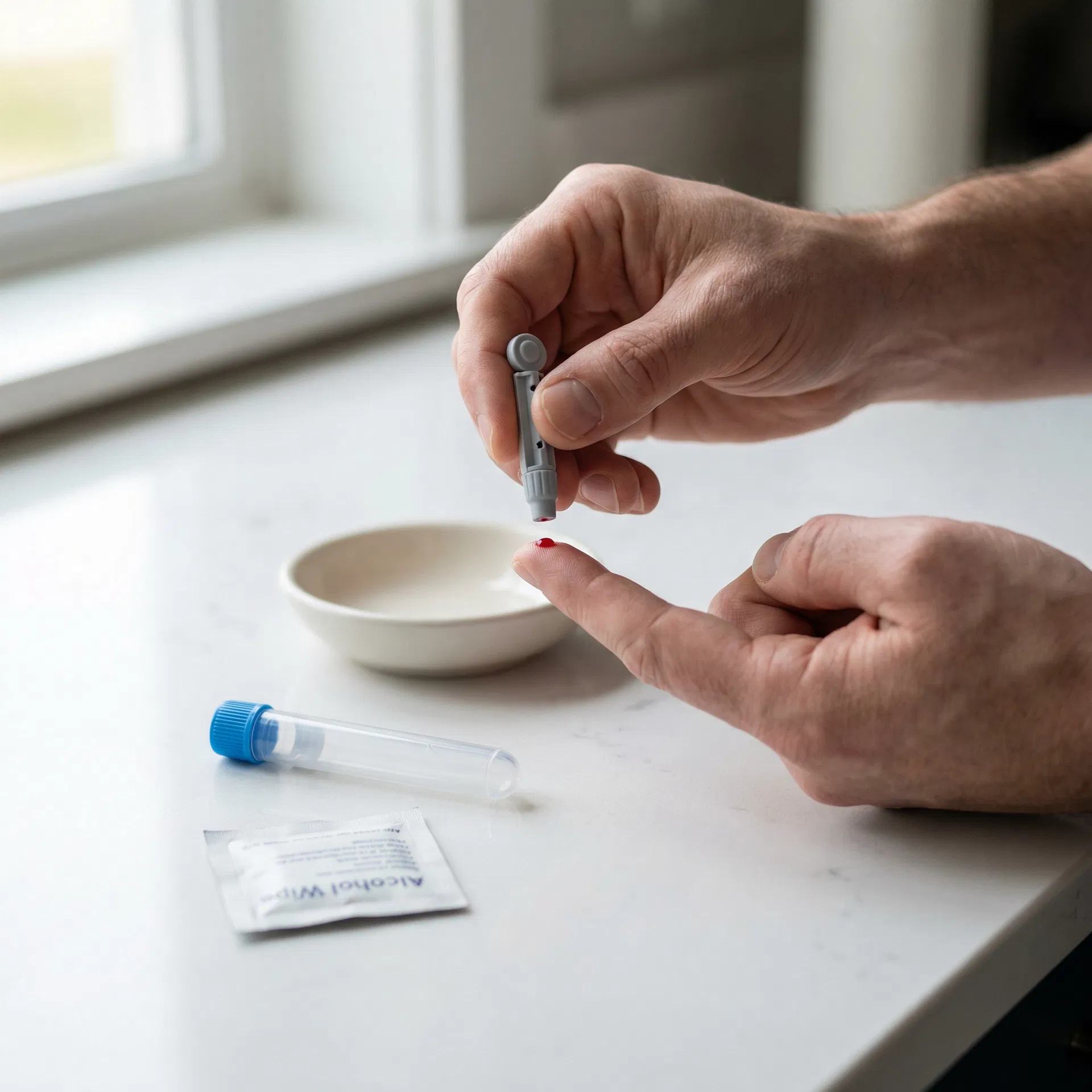
Collect your sample
Follow the simple instructions in your kit — whether it's a finger-prick at home or a venous draw at a partner clinic.
 04
04
Insights delivered
Clear, easy-to-understand results sent to you online with actionable health guidance.
Frequently asked questions
This test measures Total Cholesterol, LDL Cholesterol, Non-HDL Cholesterol, HDL Cholesterol, HbA1c (Glycated Haemoglobin). Check the full biomarker list on this page for detailed descriptions of each marker and what it tells you about your health.
Check the Special Instructions section on this page. As a general rule, if the panel includes cholesterol, triglycerides, glucose, or insulin, fast for 8-12 hours. For most hormone, vitamin, and antibody tests, fasting is not required. Morning collection (7-10am) is preferred.
Follow the instructions in your kit. For finger-prick tests: warm your hands, use the lancet as directed, fill the tube to the marked line. For venous tests: attend a phlebotomy clinic with your laboratory request form. Post your sample the same day — avoid Fridays and bank holidays.
Results are typically available within the timeframe shown on this page. You will receive a notification when ready to view online. Results include reference ranges and guidance.
You may also be interested in

Advanced Diet and Lifestyle Blood Test Kit
A 27-biomarker venous blood panel covering adrenal hormones, cholesterol status, diabetes and other key health markers — ideal for investigating relevant symptoms or monitoring health.
Results estimated in 4 working days
27 biomarkers

Nutrition Blood Test Kit
A 11-biomarker venous blood panel covering cholesterol status, inflammation, iron status and other key health markers — ideal for investigating relevant symptoms or monitoring health.
Results estimated in 2 working days
11 biomarkers

Vitamin D (25-OH) Blood Test Kit
A finger-prick blood test measuring your vitamin D (25-hydroxyvitamin D) level — the essential nutrient for bone health, immune function, and overall wellbeing, commonly deficient in the UK.
Results estimated in 2 working days
1 biomarkers

Tiredness and Fatigue Blood Test
A 8-biomarker venous blood panel covering inflammation, iron status, thyroid hormones and vitamins — ideal for investigating ongoing tiredness, low energy, or suspected medical causes.
Results estimated in 3 working days
8 biomarkers