


- Vacutainer blood collection tubes×3
- Vacutainer needle×1
- Tube holder×1
- Alcohol cleansing wipes×2
- Sterile gauze pads×2
- Adhesive plaster×1
- Biohazard specimen bag×1
- Prepaid return envelope×1
- Phlebotomist instructions×1
- Test request form×1
Skip to product information


Sports Hormone Blood Test Kit
£108.00
Description
The Advanced Sports Hormone Blood Test is a comprehensive 42-biomarker panel designed for athletes, fitness enthusiasts, and anyone engaged in regular physical training who wants to optimise their performance and recovery. This test goes far beyond basic health screening to assess the hormonal, metabolic, and physiological factors that directly impact athletic performance: anabolic and catabolic hormones (testosterone, cortisol, oestradiol), thyroid function (which governs metabolic rate), iron status (critical for oxygen transport and endurance), blood cell parameters (oxygen-carrying capacity), inflammation markers, and organ function to ensure your body is supporting—not limiting—your training.
This test is ideal for competitive athletes wanting data-driven insights to support training and recovery, recreational exercisers experiencing unexplained fatigue, performance plateaus, or prolonged recovery times, men concerned about testosterone levels and their impact on strength and body composition, endurance athletes at risk of iron deficiency or overtraining syndrome, anyone using or considering testosterone replacement therapy who needs comprehensive monitoring, and individuals wanting to establish a baseline before intensifying their training programme. The breadth of this panel allows identification of hormonal imbalances, nutritional deficiencies, or metabolic issues that could be silently undermining your performance and health.
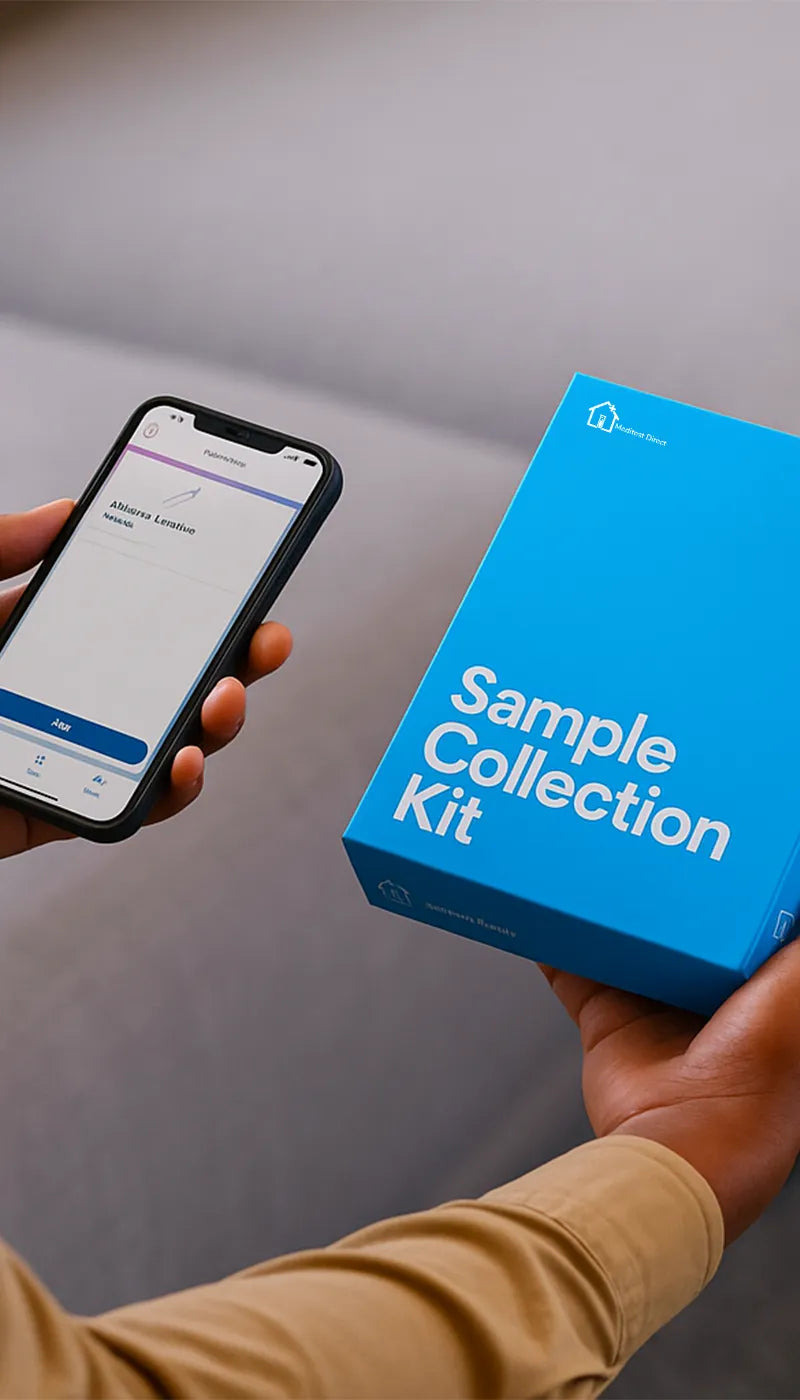
What's covered in the price: You get the collection kit and professional lab analysis. This test needs a venous blood draw by a trained phlebotomist—you can't do it at home. The phlebotomy fee (usually £30–£50) is paid separately to your chosen clinic and isn't included here.
Results ready within 2 working days
Your sample goes to a UKAS accredited laboratory meeting ISO 15189 standards.
Action Required: Once your order confirmation arrives, please reply to the email with your date of birth. This helps us process your order quickly and avoid any delays.
How to Collect and Return Your Sample
This test requires a venous blood sample, which must be collected by a trained phlebotomist. The comprehensive nature of this panel (42 biomarkers across multiple categories) requires more blood than can be obtained from a finger-prick.
Your Options:
- Use a Local Clinic: Many pharmacies, private clinics, and phlebotomy services offer blood collection. We can help you find a convenient location—contact our support team for assistance.
- Arrange It Yourself: You're welcome to use any qualified phlebotomist or clinic of your choice. Your kit includes everything the phlebotomist needs to collect and package your sample.
Your purchase covers the lab analysis and the kit itself. The blood draw fee is separate—you pay the clinic directly. Expect to pay around £30–£50 for sample collection.
Morning Sample Essential (7-10am): This test includes multiple hormones with significant circadian variation. Testosterone is highest in the early morning and can drop 20-30% by afternoon. Cortisol also peaks in the morning then declines throughout the day. For accurate, interpretable results that can be compared to reference ranges, collect your sample between 7am and 10am. This timing is particularly important if you're investigating low testosterone symptoms or monitoring TRT.
Fasting Recommended (4+ hours): While not strictly required for all markers, fasting for at least 4 hours before your test improves accuracy for cholesterol and triglyceride measurements. A morning sample after an overnight fast is ideal. Water is fine to drink.
Avoid Strenuous Exercise (24-48 hours before): Intense exercise temporarily affects many biomarkers in this panel:
- Raises cortisol (stress response to exercise)
- Transiently lowers testosterone (particularly after endurance exercise)
- Elevates liver enzymes (ALT, GGT) due to muscle damage
- Raises inflammatory markers (hs-CRP)
- Affects iron markers (ferritin rises acutely with inflammation)
For results that reflect your baseline status rather than acute exercise effects, avoid heavy training for 24-48 hours before testing. Light activity is fine.
Iron Supplements: If you're taking iron supplements and want to assess your underlying iron stores, stop supplementation for 24-48 hours before testing. If you want to check whether your supplementation is working, continue as normal and note this on your request form.
Testosterone/Hormone Products: If using testosterone gel, cream, or patches, continue as prescribed but note your TRT details on the request form. Never collect a sample from a finger that has applied testosterone products (contamination risk).
Biotin (Vitamin B7): Stop biotin supplements for at least 2 days before testing. High-dose biotin (common in hair/skin supplements) interferes with multiple hormone assays in this panel.
Alcohol: Avoid excessive alcohol for 24-48 hours before testing, as it affects liver enzymes, triglycerides, and hormones.
Illness/Infection: If you're currently unwell, have an infection, or are recovering from illness, consider postponing testing. Acute illness elevates inflammatory markers (hs-CRP), affects iron markers (ferritin rises as an acute phase reactant), and disrupts hormone levels.
Sample Return: Return your sample on the same day it's collected. Post Monday to Wednesday to avoid weekend delays.
Cholesterol is a waxy, fat-like substance essential for building cell membranes, producing hormones (including testosterone, oestrogen, and cortisol), synthesising vitamin D, and making bile acids for fat digestion. The body produces most cholesterol in the liver; dietary cholesterol has a smaller impact than previously thought. Total cholesterol measures all cholesterol in the blood, including LDL, HDL, and a portion of triglycerides. Desirable total cholesterol is typically below 5.0 mmol/L.
For athletes, cholesterol has particular relevance because it's the precursor to all steroid hormones, including testosterone. Very low cholesterol (sometimes seen with extreme dieting or overtraining) can theoretically impair hormone production. Conversely, some performance-enhancing substances can adversely affect cholesterol profiles. Regular cardiovascular exercise typically improves cholesterol profiles by raising HDL. Results outside the normal range may need a follow-up with your GP.
Low-Density Lipoprotein (LDL) cholesterol transports cholesterol from the liver to tissues throughout the body. When LDL levels are elevated, excess cholesterol can accumulate in artery walls, forming plaques that narrow and stiffen arteries (atherosclerosis), increasing the risk of heart attack and stroke. This is why LDL is commonly called "bad" cholesterol. Optimal LDL is typically below 3.0 mmol/L, with lower targets for those at higher cardiovascular risk.
Regular aerobic exercise helps reduce LDL cholesterol. However, certain dietary patterns (very high saturated fat intake) and some performance-enhancing substances (particularly oral anabolic steroids) can significantly elevate LDL, creating cardiovascular risk even in otherwise fit individuals. Athletes should not assume that being fit protects against the effects of an adverse lipid profile. Results outside the normal range may need a follow-up with your GP.
Non-HDL cholesterol is calculated by subtracting HDL (good cholesterol) from total cholesterol. It represents all the potentially harmful cholesterol in your blood—not just LDL, but also VLDL and other atherogenic particles. Many experts consider non-HDL cholesterol a better predictor of cardiovascular risk than LDL alone, particularly in people with elevated triglycerides. Optimal non-HDL cholesterol is typically below 4.0 mmol/L.
Non-HDL can be measured accurately even without fasting (unlike LDL, which is calculated and can be affected by recent food intake). For athletes monitoring cardiovascular health, non-HDL provides a reliable overview of atherogenic lipid burden. Results outside the normal range may need a follow-up with your GP.
High-Density Lipoprotein (HDL) cholesterol performs "reverse cholesterol transport"—it collects excess cholesterol from tissues and artery walls and returns it to the liver for disposal. Higher HDL levels are associated with lower cardiovascular risk, earning it the name "good" cholesterol. Desirable HDL is typically above 1.0 mmol/L in men and 1.2 mmol/L in women, with higher levels conferring additional protection.
Regular aerobic exercise is one of the most effective ways to raise HDL cholesterol—endurance athletes often have impressively high HDL levels. However, certain anabolic steroids dramatically lower HDL (sometimes to single digits), creating significant cardiovascular risk despite high fitness levels. This is an important monitoring consideration for anyone using performance-enhancing substances. Results outside the normal range may need a follow-up with your GP.
The TC:HDL ratio divides total cholesterol by HDL cholesterol, providing a simple cardiovascular risk indicator. A lower ratio is better—it indicates a higher proportion of protective HDL relative to total cholesterol. An optimal ratio is below 4:1; below 3.5:1 is excellent. A ratio above 6:1 indicates increased cardiovascular risk.
Athletes typically have favourable TC:HDL ratios due to high HDL from regular exercise. However, the ratio can deteriorate with use of certain substances that simultaneously raise LDL and lower HDL. Monitoring this ratio over time provides a quick snapshot of cardiovascular risk trends. Results outside the normal range may need a follow-up with your GP.
Triglycerides are the main form of fat stored in the body and the primary fat circulating in the bloodstream. After eating, excess calories are converted to triglycerides for storage. Between meals, hormones release triglycerides for energy. Normal fasting triglycerides are below 1.7 mmol/L; levels above 2.3 mmol/L are considered high and associated with increased cardiovascular risk and metabolic issues.
Triglycerides are particularly sensitive to recent food intake (hence the fasting requirement), alcohol consumption, and simple carbohydrate intake. Regular exercise effectively lowers triglycerides. Elevated triglycerides combined with low HDL suggests insulin resistance and metabolic syndrome—concerning even in otherwise fit individuals. Results outside the normal range may need a follow-up with your GP.
Platelets are small cell fragments produced in the bone marrow that are essential for blood clotting. When you're injured, platelets aggregate at the wound site, forming a plug that stops bleeding. Normal platelet count is 150-400 × 10⁹/L. Low platelets (thrombocytopenia) increase bleeding risk; high platelets (thrombocytosis) can indicate inflammation, iron deficiency, or rarely, bone marrow disorders.
For athletes, platelet count is relevant because some performance-enhancing drugs can affect platelet production or function. Erythropoietin (EPO) and related substances stimulate the bone marrow and can increase platelets. Very high haematocrit (from EPO use or testosterone) combined with high platelets increases blood viscosity and clotting risk. Results outside the normal range may need a follow-up with your GP.
Mean Platelet Volume measures the average size of platelets. Larger platelets are generally younger and more reactive. Normal MPV is typically 7-12 fL. MPV can provide additional information about platelet production and turnover—elevated MPV with low platelet count suggests increased platelet destruction (the bone marrow releases larger, younger platelets to compensate).
Changes in MPV can reflect bone marrow response to various stimuli. In the context of athletic health, MPV is a supportive marker that helps interpret platelet count findings rather than a primary marker of interest. Results outside the normal range may need a follow-up with your GP.
HbA1c measures the percentage of haemoglobin (in red blood cells) that has glucose attached. Because red blood cells live approximately 120 days, HbA1c reflects average blood glucose over the preceding 2-3 months—providing a longer-term picture than a single glucose measurement. Normal HbA1c is below 42 mmol/mol (6.0%); 42-47 mmol/mol indicates prediabetes; 48 mmol/mol or above indicates diabetes.
For athletes, HbA1c provides insight into metabolic health and glucose regulation. While regular exercise improves insulin sensitivity and glucose control, other factors can counteract this: high-calorie diets with excessive simple carbohydrates, certain performance-enhancing substances (growth hormone can impair glucose tolerance), and underlying genetic predisposition. Even fit individuals can develop insulin resistance and prediabetes. Monitoring HbA1c helps detect metabolic issues early. Results outside the normal range may need a follow-up with your GP.
FSH is produced by the pituitary gland and is essential for reproductive function. In men, FSH stimulates the Sertoli cells in the testes to support sperm production (spermatogenesis). In women, FSH stimulates ovarian follicle development. Normal FSH in men is typically 1.5-12.4 IU/L. Elevated FSH in men suggests the testes are not responding adequately (primary hypogonadism); suppressed FSH indicates pituitary issues or exogenous hormone use.
For male athletes, FSH is a key marker for assessing the hypothalamic-pituitary-gonadal (HPG) axis. Use of exogenous testosterone or anabolic steroids suppresses FSH (often to undetectable levels) because the pituitary detects high testosterone and shuts down stimulation of the testes. This FSH suppression is why fertility is impaired during steroid use. Low FSH in someone claiming not to use exogenous hormones warrants investigation. Results outside the normal range may need a follow-up with your GP.
LH is produced by the pituitary gland alongside FSH. In men, LH stimulates the Leydig cells in the testes to produce testosterone—it's the primary driver of testosterone production. In women, LH triggers ovulation and supports corpus luteum function. Normal LH in men is typically 1.7-8.6 IU/L. Elevated LH with low testosterone suggests testicular failure (primary hypogonadism); low LH with low testosterone suggests pituitary or hypothalamic issues (secondary hypogonadism).
Like FSH, LH is suppressed by exogenous testosterone or anabolic steroids—the pituitary detects high testosterone and reduces LH secretion, shutting down endogenous testosterone production. This is why men using exogenous testosterone develop testicular atrophy (the testes aren't being stimulated by LH). During post-cycle recovery, LH and FSH levels are monitored to assess recovery of the HPG axis. Persistently suppressed LH after discontinuing steroids indicates incomplete recovery. Results outside the normal range may need a follow-up with your GP.
Oestradiol is the most potent oestrogen. While considered a "female hormone," men also produce oestradiol—primarily through conversion of testosterone by the enzyme aromatase in fat tissue, liver, and other sites. Normal oestradiol in men is typically 40-160 pmol/L. In men, oestradiol is important for bone health, brain function, and libido (yes, men need some oestrogen). However, excess oestradiol can cause gynaecomastia (breast tissue growth), water retention, and mood changes.
For male athletes, oestradiol monitoring is particularly relevant when using testosterone or aromatising steroids. Testosterone can be converted to oestradiol by aromatase; men with higher body fat have more aromatase activity and may convert more testosterone to oestrogen. This is why some men on TRT develop breast tenderness or gynaecomastia. Aromatase inhibitors are sometimes used to manage elevated oestradiol, but excessively suppressing oestrogen has its own problems (joint pain, libido issues, bone loss). The goal is balance—adequate but not excessive oestradiol. Results outside the normal range may need a follow-up with your GP.
Testosterone is the primary anabolic hormone in men, essential for muscle protein synthesis, strength, bone density, red blood cell production, libido, mood, and cognitive function. Normal testosterone in adult men is typically 8.6-29 nmol/L, with levels highest in early adulthood and declining approximately 1-2% per year after age 30. Low testosterone causes fatigue, reduced libido, erectile difficulties, loss of muscle mass, increased body fat, mood changes, and decreased motivation.
For athletes, testosterone is arguably the most important hormone for performance. It directly affects muscle protein synthesis, recovery, and the ability to adapt to training. Low testosterone limits training adaptations and recovery. However, testosterone interpretation in athletes is complicated: intense training (particularly endurance exercise) can temporarily suppress testosterone; overtraining syndrome is characterised by chronically low testosterone; and exogenous testosterone use will show supraphysiological levels. Morning sampling is essential as testosterone can drop 20-30% by afternoon. Results outside the normal range may need a follow-up with your GP.
Free testosterone is the unbound, biologically active fraction of testosterone—only 2-3% of total testosterone. The remainder is bound to SHBG (tightly, unavailable) or albumin (loosely, partially available). Free testosterone is calculated using total testosterone, SHBG, and albumin. Normal free testosterone in men is approximately 0.2-0.6 nmol/L (200-600 pmol/L), declining with age.
Free testosterone is often more clinically relevant than total testosterone because it reflects the testosterone actually available to tissues. A man with "normal" total testosterone but high SHBG may have low free testosterone and experience deficiency symptoms. Conversely, low SHBG (seen with obesity, insulin resistance) increases free testosterone relative to total. For athletes, particularly those concerned about testosterone status or monitoring TRT, free testosterone provides a more accurate picture of androgenic activity than total testosterone alone. Results outside the normal range may need a follow-up with your GP.
SHBG is a liver-produced protein that tightly binds testosterone, oestradiol, and DHT, making them inactive. Normal SHBG in men is 15-55 nmol/L, increasing with age. SHBG determines how much free (active) hormone is available from a given total level. High SHBG reduces free testosterone; low SHBG increases it.
SHBG is influenced by many factors: it's increased by age, hyperthyroidism, liver disease, and oestrogens; decreased by obesity, insulin resistance, hypothyroidism, and androgens. Some oral anabolic steroids dramatically lower SHBG. Athletes need to understand SHBG because it contextualises their testosterone results—the same total testosterone produces different free testosterone levels depending on SHBG. Low SHBG in an otherwise healthy athlete often indicates insulin resistance, which warrants attention. Results outside the normal range may need a follow-up with your GP.
The Free Androgen Index is calculated as (Total Testosterone ÷ SHBG) × 100. It provides another estimate of bioavailable androgens, though it's less precise than calculated free testosterone. Normal FAI in men is typically 30-150. FAI is more commonly used in women (where it helps assess androgen excess in PCOS), but it can provide supporting information in men.
For male athletes, FAI offers a quick ratio that helps interpret testosterone relative to SHBG. Very high FAI may indicate exogenous testosterone use (high testosterone with suppressed SHBG). Very low FAI suggests genuine hypogonadism or extremely high SHBG. Results outside the normal range may need a follow-up with your GP.
Cortisol is the primary stress hormone, produced by the adrenal glands in response to stress, low blood glucose, and as part of the normal circadian rhythm (highest in the morning, lowest at night). Cortisol mobilises energy reserves, increases blood glucose, suppresses inflammation, and affects numerous body systems. Normal morning cortisol is typically 170-540 nmol/L. Cortisol is catabolic—it breaks down muscle protein for glucose production and opposes the anabolic effects of testosterone.
For athletes, the testosterone:cortisol ratio is sometimes used as an indicator of anabolic/catabolic balance and recovery status. Chronically elevated cortisol relative to testosterone suggests overtraining, inadequate recovery, or excessive life stress—all of which impair adaptation to training. Symptoms include fatigue, poor recovery, declining performance, mood changes, and increased illness. Conversely, appropriate cortisol responses are necessary for adaptation—cortisol isn't inherently bad. The goal is adequate recovery between training sessions so cortisol can normalise. Results outside the normal range may need a follow-up with your GP.
High-sensitivity CRP is a marker of systemic inflammation, produced by the liver in response to inflammatory signals. Unlike standard CRP (which detects significant inflammation from infection or injury), hs-CRP measures low-grade chronic inflammation associated with cardiovascular disease risk. Optimal hs-CRP is below 1 mg/L; 1-3 mg/L indicates moderate risk; above 3 mg/L indicates higher cardiovascular risk (or acute inflammation from illness/injury).
For athletes, hs-CRP has several applications. Baseline hs-CRP reflects overall inflammatory burden—elevated levels despite fitness may indicate dietary issues, inadequate recovery, or underlying health problems. Hs-CRP rises temporarily after intense exercise (particularly long-duration or muscle-damaging exercise), so testing should be done 24-48 hours after hard training for baseline assessment. Chronically elevated hs-CRP in an athlete may indicate overtraining, poor recovery, or low-grade infection. Results outside the normal range may need a follow-up with your GP.
Serum iron measures the amount of iron circulating in the blood, bound to the transport protein transferrin. Normal serum iron is typically 10-30 µmol/L, though it varies significantly throughout the day (highest in the morning) and with recent food intake. Serum iron alone is not a reliable indicator of iron status because it fluctuates considerably; it must be interpreted alongside ferritin, transferrin saturation, and TIBC for accurate assessment.
For athletes, adequate iron is essential for oxygen transport (haemoglobin), oxygen storage in muscles (myoglobin), and energy metabolism (cytochromes). Iron deficiency is common in endurance athletes due to increased requirements, losses through sweat and gastrointestinal bleeding, and dietary inadequacy (particularly in vegetarian athletes). Even iron deficiency without anaemia can impair performance. Results outside the normal range may need a follow-up with your GP.
TIBC measures the blood's total capacity to bind and transport iron—essentially, it reflects the amount of transferrin available. Normal TIBC is typically 45-80 µmol/L. In iron deficiency, the body increases transferrin production to maximise iron capture, so TIBC rises. In iron overload, TIBC falls because less transferrin is needed.
Elevated TIBC with low ferritin and low transferrin saturation is the classic pattern of iron deficiency. TIBC helps distinguish between iron deficiency (high TIBC) and anaemia of chronic disease (normal or low TIBC). For athletes, this distinction is important because treatment differs. Results outside the normal range may need a follow-up with your GP.
Transferrin saturation is calculated as (Serum Iron ÷ TIBC) × 100, representing the percentage of transferrin binding sites occupied by iron. Normal transferrin saturation is 20-50%. Below 20% suggests iron deficiency; above 50% may indicate iron overload. Transferrin saturation reflects the balance between iron supply and iron-binding capacity.
Low transferrin saturation is an early indicator of iron deficiency, often appearing before haemoglobin falls. For athletes at risk of iron deficiency, monitoring transferrin saturation alongside ferritin provides early warning before anaemia develops, allowing intervention when supplementation is most effective. Results outside the normal range may need a follow-up with your GP.
Ferritin is the primary iron storage protein; measuring serum ferritin provides the best single indicator of total body iron stores. Normal ferritin is typically 30-300 µg/L in men and 15-200 µg/L in women. Low ferritin (below 30 µg/L) indicates depleted iron stores, even if haemoglobin is still normal. Very high ferritin (above 500 µg/L) may indicate iron overload, liver disease, or inflammation (ferritin is also an acute phase reactant—it rises with inflammation).
For athletes, ferritin is arguably the most important iron marker. Many experts recommend athletes maintain ferritin above 50 µg/L (some suggest above 100 µg/L for optimal performance) because low ferritin impairs performance even without frank anaemia. Endurance athletes, female athletes, and those with restricted diets are particularly at risk. However, ferritin interpretation requires caution: recent intense exercise or illness elevates ferritin acutely, potentially masking underlying deficiency. Test when well and rested for accurate results. Results outside the normal range may need a follow-up with your GP.
Urea is a waste product from protein metabolism, produced in the liver and excreted by the kidneys. Normal urea is typically 2.5-7.8 mmol/L. Elevated urea can indicate kidney dysfunction (impaired excretion), dehydration (concentrated blood), high protein intake, or gastrointestinal bleeding. Low urea may suggest low protein intake, liver dysfunction (impaired production), or overhydration.
For athletes, urea interpretation requires context. High-protein diets (common in strength athletes) raise urea production. Dehydration from training concentrates urea. Testing when well-hydrated and not immediately after a high-protein meal provides the most meaningful results. Persistently elevated urea despite adequate hydration warrants kidney function investigation. Results outside the normal range may need a follow-up with your GP.
Creatinine is a waste product from muscle metabolism—specifically, from the breakdown of creatine phosphate in muscles. It's produced at a fairly constant rate (proportional to muscle mass) and excreted by the kidneys. Normal creatinine is typically 60-110 µmol/L in men and 45-90 µmol/L in women. Elevated creatinine usually indicates impaired kidney function (the kidneys aren't clearing it effectively).
For athletes, creatinine interpretation is nuanced. People with greater muscle mass naturally have higher creatinine production—a muscular male athlete may have creatinine at the upper end of "normal" ranges that were established on less muscular populations. This isn't kidney disease. Creatine supplementation can also mildly elevate creatinine. The key is stability over time and the calculated eGFR (which accounts for creatinine, age, sex, and ethnicity). Results outside the normal range may need a follow-up with your GP.
eGFR estimates how much blood the kidneys filter per minute, calculated from creatinine, age, sex, and ethnicity. Normal eGFR is above 90 mL/min/1.73m². Values of 60-89 indicate mildly reduced function; below 60 indicates moderate to severe kidney disease. eGFR is more clinically useful than creatinine alone because it accounts for factors affecting creatinine production.
For muscular athletes, eGFR may appear falsely low because the calculation assumes average muscle mass. A heavily muscled man with high creatinine from muscle (not kidney disease) may have a calculated eGFR that looks concerning. If eGFR is unexpectedly low, your doctor may use cystatin C (an alternative filtration marker unaffected by muscle mass) to assess kidney function more accurately. Results outside the normal range may need a follow-up with your GP.
Sodium is the primary electrolyte in blood and extracellular fluid, essential for fluid balance, nerve function, and muscle contraction. Normal sodium is 136-145 mmol/L. The kidneys tightly regulate sodium balance. Low sodium (hyponatraemia) can result from excess water intake, diuretics, or conditions affecting fluid balance; severe hyponatraemia causes confusion and seizures. High sodium (hypernatraemia) usually indicates dehydration.
For endurance athletes, hyponatraemia is a particular concern—excessive water intake during prolonged exercise (particularly combined with sodium losses in sweat) can dilute blood sodium dangerously. This is why sports drinks contain sodium and why extreme overhydration is dangerous. Testing sodium gives a snapshot of fluid/electrolyte status. Results outside the normal range may need a follow-up with your GP.
Bilirubin is a yellow-brown pigment produced when red blood cells break down. The liver processes bilirubin for excretion in bile. Normal total bilirubin is typically below 21 µmol/L. Elevated bilirubin causes jaundice (yellowing of skin and eyes) and can indicate liver dysfunction, bile duct obstruction, or excessive red blood cell breakdown (haemolysis). Mild elevation is often benign Gilbert's syndrome (affecting about 5% of the population).
For athletes, bilirubin is part of liver health assessment. Intense exercise can cause mild haemolysis (particularly foot-strike haemolysis in runners), slightly raising bilirubin. Certain performance-enhancing substances (particularly oral anabolic steroids) stress the liver and can elevate bilirubin. Results outside the normal range may need a follow-up with your GP.
Alkaline phosphatase is an enzyme found in liver, bones, kidneys, and intestines. Normal ALP is typically 30-130 U/L (higher in adolescents due to bone growth). Elevated ALP can indicate liver disease (particularly cholestasis—bile flow obstruction), bone disorders, or certain medications. Mildly elevated ALP in isolation without other liver abnormalities often originates from bone rather than liver.
For athletes, ALP is primarily a liver health marker in this panel. It's less commonly elevated by exercise or performance-enhancing substances than ALT and GGT. If ALP is elevated while other liver enzymes are normal, bone origin should be considered. Results outside the normal range may need a follow-up with your GP.
ALT is an enzyme found primarily in the liver. When liver cells are damaged, they release ALT into the bloodstream, making it a sensitive marker of liver health. Normal ALT is typically 10-45 U/L in men and 10-35 U/L in women. Elevated ALT indicates liver cell injury from any cause—viral hepatitis, alcohol, fatty liver disease, medications, or toxins.
For athletes, ALT is critically important. Many oral anabolic steroids are hepatotoxic (liver-damaging), particularly 17-alpha-alkylated compounds designed to survive first-pass liver metabolism. Elevated ALT in someone using oral steroids is a warning sign of liver stress. However, ALT can also be mildly elevated after intense exercise (particularly resistance training) because ALT is present in muscle as well as liver—so testing 24-48 hours after hard training avoids false elevation. Results outside the normal range may need a follow-up with your GP.
GGT is an enzyme found in liver, bile ducts, and other tissues. It's particularly sensitive to alcohol consumption—even moderate drinking elevates GGT—and bile duct obstruction. Normal GGT is typically below 60 U/L. GGT is often elevated alongside other liver enzymes in liver disease, but isolated GGT elevation most commonly reflects alcohol intake.
For athletes, GGT serves multiple purposes. It helps assess liver health alongside ALT. It can indicate recent alcohol consumption (relevant if alcohol is being avoided for health or performance reasons). And like ALT, GGT can be elevated by hepatotoxic oral anabolic steroids. Elevated GGT with elevated ALT is more concerning than either alone. Results outside the normal range may need a follow-up with your GP.
Total protein measures the combined amount of albumin and globulins in the blood. Normal total protein is 60-80 g/L. Low total protein can indicate liver disease (reduced production), kidney disease (protein loss), malnutrition, or malabsorption. High total protein can indicate dehydration (concentration effect) or increased globulins (chronic infection, inflammation, or certain blood disorders).
For athletes, total protein provides an overview of protein status and hydration. It's less specific than individual albumin and globulin measurements but contributes to overall health assessment. Results outside the normal range may need a follow-up with your GP.
Albumin is the most abundant protein in blood, produced by the liver. It maintains fluid balance (oncotic pressure), transports hormones and other substances, and serves as a nutritional reserve. Normal albumin is 35-50 g/L. Low albumin indicates liver dysfunction (reduced production), kidney disease (protein loss in urine), malnutrition, or chronic inflammation (albumin is a negative acute phase reactant—it falls during inflammation).
For athletes, albumin is included in this panel primarily for calculating free testosterone (albumin loosely binds testosterone). Low albumin is concerning regardless of cause and warrants investigation. Albumin tends to be well-maintained in healthy athletes eating adequate protein. Results outside the normal range may need a follow-up with your GP.
Globulins are a group of proteins including immunoglobulins (antibodies), transport proteins, and enzymes. Globulin is calculated by subtracting albumin from total protein. Normal globulin is approximately 20-35 g/L. Elevated globulins can indicate chronic infection, inflammation, autoimmune disease, or certain blood disorders. Low globulins can indicate immune deficiency or liver disease.
For athletes, globulin provides supporting information about immune function and overall protein status. Significant abnormalities warrant further investigation, but mild variations are less clinically important than albumin abnormalities. Results outside the normal range may need a follow-up with your GP.
Haemoglobin is the iron-containing protein in red blood cells that carries oxygen from the lungs to tissues. Normal haemoglobin is 130-170 g/L in men and 120-150 g/L in women. Low haemoglobin (anaemia) reduces oxygen-carrying capacity, causing fatigue, weakness, and impaired performance. High haemoglobin increases oxygen-carrying capacity but also increases blood viscosity and clotting risk.
For athletes, haemoglobin is a crucial performance marker. Adequate haemoglobin is essential for endurance. Iron deficiency anaemia is common in endurance athletes and dramatically impairs performance. Conversely, artificially elevated haemoglobin (from EPO, blood doping, or excessive testosterone) increases performance but carries serious health risks—stroke, heart attack, and sudden death from blood clots. World Anti-Doping Agency (WADA) sets haemoglobin limits for competition. Results outside the normal range may need a follow-up with your GP.
Haematocrit measures the percentage of blood volume occupied by red blood cells. Normal haematocrit is 40-52% in men and 36-48% in women. Low haematocrit indicates anaemia or haemodilution (excess plasma). High haematocrit indicates polycythaemia (excess red cells), dehydration (reduced plasma), or artificial elevation (EPO, testosterone).
For athletes, haematocrit is monitored alongside haemoglobin. Testosterone replacement therapy commonly elevates haematocrit (testosterone stimulates red blood cell production)—this is why men on TRT need regular monitoring. Haematocrit above 50-52% significantly increases blood viscosity and cardiovascular risk. If haematocrit rises too high on TRT, dose reduction or therapeutic phlebotomy (blood removal) may be needed. Results outside the normal range may need a follow-up with your GP.
Red cell count measures the number of red blood cells per litre of blood. Normal RCC is approximately 4.5-5.5 × 10¹²/L in men and 3.8-5.0 × 10¹²/L in women. Low RCC indicates anaemia; high RCC indicates polycythaemia. RCC is interpreted alongside haemoglobin and haematocrit for complete assessment of red cell status.
For athletes, RCC provides supporting information about oxygen-carrying capacity. The combination of RCC, haemoglobin, and haematocrit (along with red cell indices) helps characterise any anaemia present and monitor for polycythaemia from testosterone or other erythropoiesis-stimulating agents. Results outside the normal range may need a follow-up with your GP.
MCV measures the average size of red blood cells. Normal MCV is 80-100 fL. Low MCV (microcytosis) typically indicates iron deficiency; high MCV (macrocytosis) indicates B12 or folate deficiency, alcohol excess, or liver disease. MCV helps classify anaemia: microcytic (iron deficiency), normocytic (chronic disease, acute blood loss), or macrocytic (B12/folate deficiency).
For athletes at risk of iron deficiency, MCV is an important marker. In early iron deficiency, MCV may be normal or only slightly low; as deficiency progresses, MCV falls (microcytic anaemia). If MCV is high despite adequate B12 and folate, alcohol excess or liver disease should be considered. Results outside the normal range may need a follow-up with your GP.
TSH is produced by the pituitary gland to regulate the thyroid. It's the most sensitive marker of thyroid function. Normal TSH is typically 0.4-4.0 mU/L. High TSH indicates the pituitary is working harder to stimulate an underactive thyroid (hypothyroidism); low TSH indicates suppression by excess thyroid hormone (hyperthyroidism) or pituitary dysfunction.
For athletes, thyroid function profoundly affects performance. Hypothyroidism causes fatigue, weight gain, cold intolerance, and impaired recovery. Hyperthyroidism causes weight loss, heat intolerance, anxiety, and tachycardia. Even subclinical thyroid dysfunction (abnormal TSH with normal T3/T4) can affect performance and recovery. Extreme dieting or overtraining can suppress thyroid function. Results outside the normal range may need a follow-up with your GP.
T3 is the active thyroid hormone—it enters cells and directly affects metabolism. Most T3 is produced by conversion from T4 in peripheral tissues. Free T3 measures the unbound, active fraction. Normal free T3 is typically 3.5-6.5 pmol/L. T3 directly governs metabolic rate, body temperature, heart rate, and energy production.
For athletes, T3 is the metabolically active hormone that determines how efficiently the body burns fuel and recovers. Low T3 can occur with extreme caloric restriction or overtraining (the body downregulates metabolism to conserve energy—a form of adaptive thermogenesis). This is why extreme dieting can plateau—the body reduces T3 to slow metabolism. Adequate nutrition and recovery support T3 production. Results outside the normal range may need a follow-up with your GP.
T4 is the main hormone produced by the thyroid gland—a prohormone that's converted to active T3 in tissues. Free T4 measures the unbound fraction. Normal free T4 is typically 9-25 pmol/L. T4 provides a reservoir that's converted to T3 as needed. Low T4 with high TSH confirms primary hypothyroidism; high T4 with low TSH confirms hyperthyroidism.
For athletes, free T4 is assessed alongside TSH and T3 to characterise thyroid status. In sick euthyroid syndrome (seen with severe illness, extreme dieting, or overtraining), T3 may be low while T4 and TSH remain normal—the body reduces conversion to T3 rather than production of T4. This pattern suggests metabolic stress rather than true thyroid disease. Results outside the normal range may need a follow-up with your GP.
White blood cells are immune cells that protect against infection. The white cell count measures total white cells per litre of blood. Normal WCC is 4.0-11.0 × 10⁹/L. Elevated WCC (leukocytosis) typically indicates infection, inflammation, stress, or steroid use. Low WCC (leukopenia) can indicate bone marrow suppression, viral infection, or autoimmune conditions.
For athletes, WCC provides insight into immune status. Heavy training temporarily suppresses immunity—elite athletes often have lower baseline WCC. Overtraining syndrome is associated with increased susceptibility to infection. However, transient WCC elevation occurs with intense exercise (stress response). For accurate baseline assessment, test when well and rested. Results outside the normal range may need a follow-up with your GP.
Neutrophils are the most abundant white blood cells (40-70% of WCC) and are the first responders to bacterial infection. They engulf and destroy bacteria. Normal neutrophil count is 2.0-7.5 × 10⁹/L. Elevated neutrophils (neutrophilia) indicate bacterial infection, inflammation, or stress response. Low neutrophils (neutropenia) increase infection risk.
For athletes, neutrophils reflect immune function and inflammatory status. Acute exercise elevates neutrophils (stress response); chronic overtraining may suppress them. Neutrophilia without infection may indicate ongoing inflammation or stress. Neutropenia warrants investigation as it significantly increases infection susceptibility. Results outside the normal range may need a follow-up with your GP.
Medical Disclaimer
This comprehensive panel provides extensive health information, but results must be interpreted in context. Recent intense exercise, illness, medication, diet, sleep, stress, and many other factors affect multiple biomarkers. For the most meaningful results, test when well-rested (24-48 hours after hard training), adequately hydrated, and not acutely unwell. Note relevant factors on your request form.
Individual biomarkers should be interpreted alongside others in the panel, not in isolation. For example, low testosterone is more significant when accompanied by elevated LH and FSH (suggesting testicular failure) than when LH and FSH are also low (suggesting pituitary suppression, possibly from exogenous hormone use). Iron status requires all four markers (iron, TIBC, transferrin saturation, ferritin) for accurate assessment. Your results report will provide context, but complex patterns benefit from clinical interpretation.
This test identifies potential issues but does not replace clinical assessment. If you have specific health concerns, are experiencing significant symptoms, or your results show abnormalities, please discuss with your GP or a sports medicine physician. They can arrange additional investigations if needed and provide appropriate treatment recommendations.
Our Collection
Reliable Home Test Kits for Every Need
At MeditestDirect, we offer a wide range of trusted home testing kits from general health and wellness to more specific medical checks. Whether you're monitoring your body or taking control of your health journey, we've got a test that fits. Your results are processed securely and kept completely confidential, giving you peace of mind every step of the way.



Our Collection
Your Health, Your Terms, Fast & Private Testing
With MeditestDirect, you're in control. Choose from a full range of easy-to-use home test kits, all designed to give you accurate results without the wait. From everyday check-ups to targeted health concerns, every test comes with full privacy and secure result delivery—because your health information should stay yours.

Explore Our Most Popular Tests.