Skip to product information
Comprehensive 7-infection STI home test kit featuring a multi-site swab or urine collection container for advanced DNA PCR laboratory analysis.

7-Infection Comprehensive STI Profile

£140.00

Markers

This comprehensive panel screens for the genetic fingerprints (DNA) of seven common infections: Chlamydia, Gonorrhoea, Mycoplasma genitalium, Ureaplasma, Trichomonas, Gardnerella, and Herpes Simplex I/II. By using advanced PCR (Polymerase Chain Reaction) technology, the laboratory can detect even microscopic amounts of these pathogens from a single sample. This allows for highly accurate results even in the absence of physical symptoms, providing a definitive clinical overview of your current sexual health status.

Payment methods
    Description

    Get comprehensive screening for seven common sexually transmitted infections with a single self-collected sample. This PCR-based test detects Chlamydia, Gonorrhoea, Mycoplasma genitalium, Ureaplasma, Trichomonas, Gardnerella, and Herpes Simplex I/II—all from one urine sample or self-swab.

    Many STIs have no obvious symptoms, which means you could have an infection without knowing it. Left untreated, some of these infections can lead to serious health problems including pelvic inflammatory disease, fertility issues, and complications during pregnancy. Testing is the only way to know your status for certain.

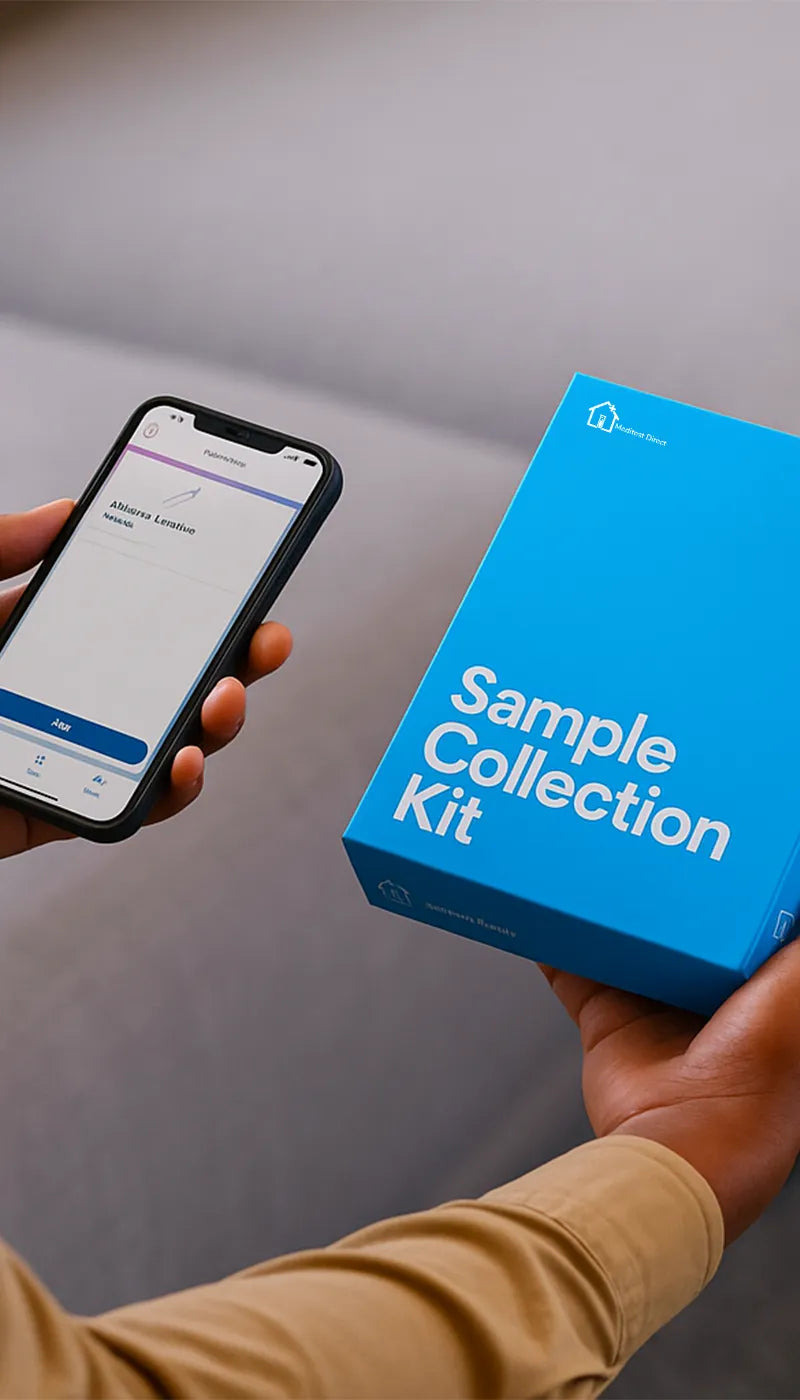
    This home test kit makes screening simple and discreet. Collect your sample in private, post it back to us, and receive your results online within 2 working days.

    Why Choose This Test?

    • 7 infections from 1 sample – Comprehensive screening without multiple tests
    • PCR technology – Highly accurate detection of infection DNA
    • Self-collection at home – No clinic visit or examination required
    • Flexible sample options – Choose urine or multisite swab collection
    • Fast results – Results ready in 2 working days
    • Discreet packaging – Plain packaging with no indication of contents
    • Individually reportable – Clear results for each infection

    What Does This Test Screen For?

    This panel tests for seven infections that are commonly spread through sexual contact:

    • Chlamydia trachomatis – The most common bacterial STI in the UK
    • Neisseria gonorrhoeae (Gonorrhoea) – A bacterial infection that can cause serious complications
    • Mycoplasma genitalium – An emerging STI that can cause urethritis and PID
    • Ureaplasma species – Bacteria linked to urethritis and reproductive complications
    • Trichomonas vaginalis – A parasitic infection causing discharge and discomfort
    • Gardnerella vaginalis – Associated with bacterial vaginosis
    • Herpes Simplex I/II – Viral infections causing genital and oral herpes
    Results ready within 2 working days

    Your sample goes to a UKAS accredited laboratory meeting ISO 15189 standards.

    Action Required: Once your order confirmation arrives, please reply to the email with your date of birth. This helps us process your order quickly and avoid any delays.

    How It Works

    We'll send you a collection kit with everything you need to collect your sample at home. No clinic visit, no examination—just collect your sample in private and post it back to us.

    Sample Options

    You can choose the collection method that suits you best:

    • Urine sample: First-catch urine (the first part of your urine stream). Do not urinate for at least 1 hour before collection.
    • Multisite swab: Self-collected swab from vaginal, rectal, or throat sites depending on your exposure history.

    Your Kit Includes

    • Aptima urine collection container or multisite swab
    • Step-by-step collection instructions
    • Request form
    • Prepaid return envelope

    Tips for Best Results

    • Read all instructions carefully before starting
    • For urine samples, collect the first part of your stream (first-catch)
    • Do not urinate for at least 1 hour before urine collection
    • Post your sample on the same day you collect it
    • Send Monday to Wednesday to avoid weekend postal delays

    Window Period: Most infections can be detected within 2 weeks of exposure. If you've had very recent potential exposure (within the last 14 days), consider retesting after this window period for the most accurate results.

    Urine Collection: For urine samples, collect the first part of your urine stream (first-catch urine). Do not urinate for at least 1 hour before collection. Collect approximately 20–30ml of urine.

    Swab Collection: If using multisite swabs, follow the instructions provided for each site. Do not use lubricants before collecting samples.

    Sample Timing: Post your sample on the same day you collect it. We recommend sending samples Monday to Wednesday to avoid delays over the weekend.

    Antibiotics: If you are currently taking antibiotics or have taken them in the past 2 weeks, this may affect your results. Consider testing after completing your course of antibiotics.

    If You Have Symptoms: If you have symptoms such as unusual discharge, pain during urination, genital sores, or pelvic pain, we recommend visiting your GP or local sexual health clinic for a face-to-face assessment in addition to this test.

    Chlamydia is the most commonly diagnosed bacterial STI in the UK. It often has no symptoms, which is why regular testing is important. If left untreated, chlamydia can cause pelvic inflammatory disease (PID) in women, which can lead to fertility problems and ectopic pregnancy. In men, it can cause epididymitis (inflammation of the tubes that carry sperm). Chlamydia is easily treated with a short course of antibiotics.

    Gonorrhoea is a bacterial infection that can infect the genitals, rectum, and throat. Symptoms may include unusual discharge, pain when urinating, and bleeding between periods in women—but many people have no symptoms at all. Untreated gonorrhoea can lead to PID, infertility, and in rare cases, can spread to the blood or joints. Gonorrhoea is treated with antibiotics, though antibiotic-resistant strains are becoming more common.

    Mycoplasma genitalium (Mgen) is an emerging sexually transmitted bacterium that has gained increasing recognition in recent years. It can cause urethritis in men (inflammation of the urethra causing discharge and painful urination) and in women can cause cervicitis, PID, and has been linked to preterm birth. Many people have no symptoms. Treatment typically requires specific antibiotics, as Mgen is resistant to some commonly used STI treatments.

    Ureaplasma are bacteria that can be found in the urogenital tract. While many people carry these bacteria without problems, Ureaplasma can sometimes cause urethritis, bacterial vaginosis-like symptoms, and has been associated with complications during pregnancy including preterm labour. The clinical significance of Ureaplasma detection is still being studied, and treatment decisions are usually based on symptoms and individual circumstances.

    Trichomonas vaginalis (TV) is a parasitic infection that commonly causes vaginitis. Symptoms in women may include frothy yellow-green discharge with a strong odour, itching, and discomfort during urination or sex. Men are often asymptomatic but can experience urethritis. Trichomoniasis can increase the risk of acquiring other STIs, including HIV. It is easily treated with antibiotics (metronidazole or tinidazole).

    Gardnerella vaginalis is a bacterium strongly associated with bacterial vaginosis (BV), a common condition where the normal balance of vaginal bacteria is disrupted. BV can cause a thin grey or white discharge with a characteristic "fishy" odour, particularly after sex. While not technically an STI, BV is more common in sexually active women. BV can increase susceptibility to other STIs and may be associated with pregnancy complications.

    Herpes simplex virus (HSV) causes genital and oral herpes. HSV-1 traditionally causes cold sores around the mouth, while HSV-2 typically causes genital herpes—though either type can affect either location. Many people with herpes have no symptoms or mild symptoms they don't recognise. When symptoms occur, they typically include painful blisters or sores, itching, and flu-like symptoms during initial outbreaks. Herpes cannot be cured but can be managed with antiviral medication. This test detects HSV DNA in samples with active viral shedding.

    A positive result means the infection DNA was detected in your sample. Most of these infections are treatable, and many are curable with the right antibiotics.

    Next Steps

    • Contact your GP or local sexual health clinic to discuss your results
    • Most bacterial infections can be treated with antibiotics
    • Inform recent sexual partners so they can also be tested
    • Avoid sexual contact until treatment is complete
    • Some clinics offer partner notification services to help with this

    Treatment Options

    Bacterial infections (Chlamydia, Gonorrhoea, Mycoplasma, Ureaplasma, Gardnerella): Usually treated with antibiotics. The specific antibiotic depends on the infection and any resistance patterns.

    Parasitic infections (Trichomonas): Treated with antibiotics such as metronidazole.

    Viral infections (Herpes): Cannot be cured but can be managed with antiviral medication to reduce symptoms and outbreaks.

    Partner Notification

    It's important to let recent sexual partners know if you test positive, so they can also get tested and treated if necessary. This helps prevent reinfection and stops the spread of STIs. Your sexual health clinic can help with partner notification if you prefer.

    Who Is This Test For?

    • Anyone concerned about STI exposure
    • People with new or multiple sexual partners
    • Those who have had unprotected sex
    • Anyone whose partner has been diagnosed with an STI
    • People wanting a routine sexual health check
    • Those with symptoms such as unusual discharge or discomfort
    • Anyone wanting comprehensive screening from a single sample

    Medical Disclaimer

    This test screens for the DNA of seven common sexually transmitted infections using PCR technology. A positive result indicates the presence of infection DNA in your sample and requires follow-up with a healthcare professional for appropriate treatment.

    This test detects infection at the time of sampling. A negative result does not guarantee you are infection-free, particularly if you have had recent exposure (within the last 2 weeks). If you have ongoing symptoms or concerns, please consult your GP or visit a sexual health clinic.

    This test does not replace professional medical advice, diagnosis, or treatment. If you have symptoms or concerns about your sexual health, please consult your GP or visit a sexual health clinic.

    Our Collection

    Reliable Home Test Kits for Every Need

    At MeditestDirect, we offer a wide range of trusted home testing kits from general health and wellness to more specific medical checks. Whether you're monitoring your body or taking control of your health journey, we've got a test that fits. Your results are processed securely and kept completely confidential, giving you peace of mind every step of the way.
    Left Image
    Right Image
    Left Image
    Right Image

    Our Collection

    Your Health, Your Terms, Fast & Private Testing

    With MeditestDirect, you're in control. Choose from a full range of easy-to-use home test kits, all designed to give you accurate results without the wait. From everyday check-ups to targeted health concerns, every test comes with full privacy and secure result delivery—because your health information should stay yours.

    Explore Our Most Popular Tests.

    Shop Now

    You may also like