Skip to product information
Tiredness & Fatigue Blood Test

Tiredness & Fatigue Blood Test

£78.00

Markers

includes iron status, vitamin D, TSH, and T4. For a deeper investigation into fatigue symptoms

Payment methods
    Description
    Tiredness and Fatigue Blood Test

    The Tiredness and Fatigue Blood Test checks for common causes of fatigue, including iron deficiency, vitamin D deficiency, and thyroid conditions. This comprehensive test measures 8 key biomarkers across iron status, thyroid function, inflammation, and vitamin D levels to help identify underlying factors contributing to persistent tiredness and low energy.

    This test is ideal for anyone feeling constantly drained, struggling with low energy, or experiencing brain fog. It can help identify treatable causes of fatigue and guide appropriate interventions to restore your energy levels and overall wellbeing.

    Results available within 3 working days

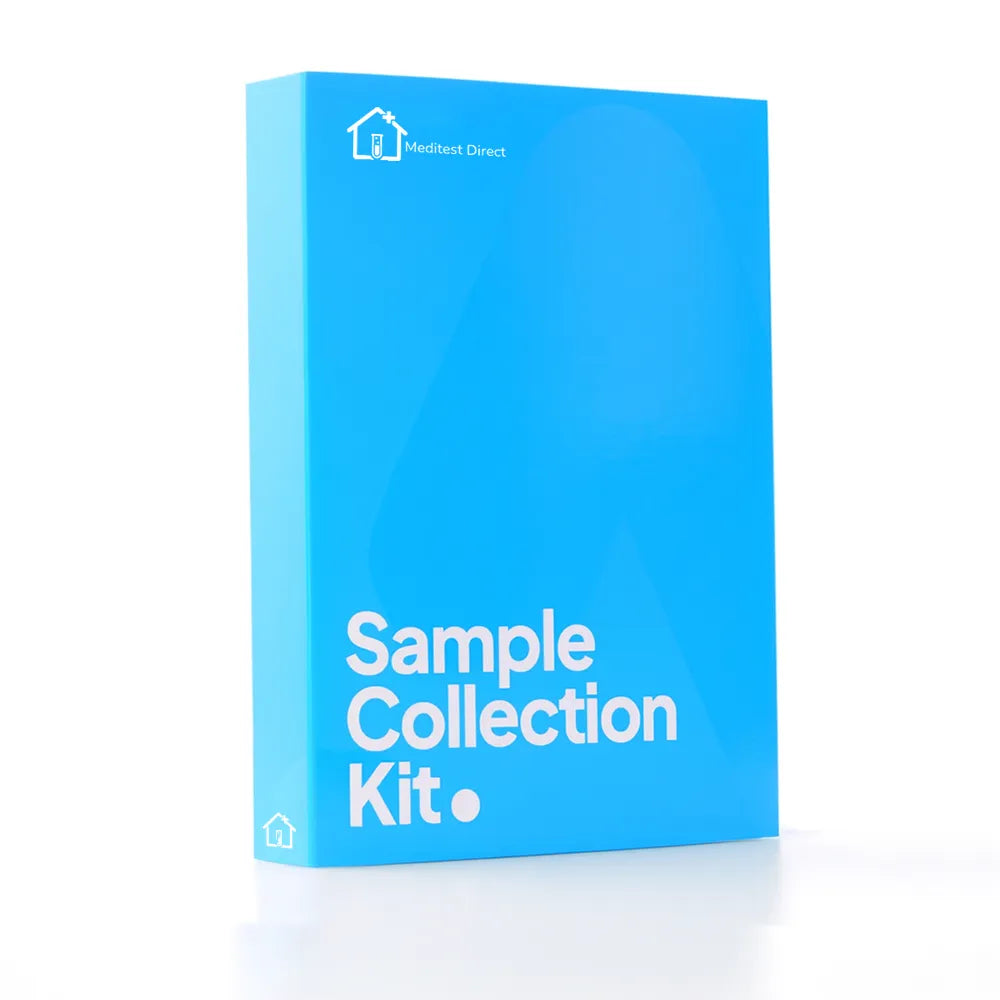
    Home Test Kit: Sample Collection and Return

    For a successful analysis, it is crucial that you adhere to the provided instructions for sample collection. Please read all documentation included in your kit before you begin.

    Key Steps for Your Home Test Kit:

    • Follow Instructions: Carefully follow the step-by-step guide for collecting your sample. Improper collection may lead to an invalid result.
    • Use Prepaid Envelope: Return your collected sample using the prepaid and pre-addressed envelope provided in your kit.
    • Optimal Return-Shipping Days: To avoid potential delays at the laboratory, we strongly recommend mailing your sample on a Monday, Tuesday, or Wednesday. Please do not send your sample on weekends or public holidays, as this can compromise the integrity of the sample due to transit and processing delays.

    Sample Collection and Timing: Take this test when any symptoms of short-term illness have settled. Collect your sample between 6am and 10am for optimal accuracy.

    Medications and Supplements: Do not take biotin supplements for two days before this test (discuss with your doctor if it is prescribed). If you take thyroxine, you can take your medication as usual, either before or after your blood test. However, if you take desiccated thyroid extract (DTE) or liothyronine, it's best to take it after you've collected your sample. Please let us know in your supporting information if you take amiodarone or lithium as these can affect your thyroid function results. Take your sample at least 24 hours after any vitamin or mineral supplements.

    Additional Information: If you suspect iron deficiency, you may want to consider adding a Faecal Immunochemical Test (FIT) to check for hidden bleeding in the gut, which is a common cause of iron deficiency.

    C-Reactive Protein (CRP) is an inflammation marker used to assess whether there is inflammation in the body, though it does not identify where the inflammation is located. High Sensitivity CRP (hs-CRP) is a test used to detect low-level inflammation thought to damage blood vessels which can lead to cardiovascular issues. Chronic inflammation can contribute to fatigue and low energy levels.

    Iron is a mineral that is essential for life. It is a component of haemoglobin, a protein in our red blood cells that is responsible for transporting oxygen around our body. If we don't have enough iron, our haemoglobin levels fall and we can't get sufficient oxygen to our cells. This can cause symptoms which include fatigue, dizziness, and shortness of breath. Serum iron is a very transient reading and can be influenced by the amount of iron-rich food in your diet in the days before your blood test. For this reason, iron is rarely looked at on its own, and is interpreted alongside other markers in an iron status test.

    Total iron-binding capacity (TIBC) is a measure of the ability of your body to efficiently carry iron through the blood. It reflects the amount of transferrin available to bind iron. TIBC typically increases when iron stores are low and decreases when iron stores are adequate or high.

    Transferrin is made in the liver and is the major protein in the blood which binds to iron and transports it round the body. This test measures how much this protein is 'saturated' by iron. Low transferrin saturation indicates iron deficiency, whilst high saturation may indicate iron overload.

    Ferritin is a protein which stores iron in your cells and tissues. Usually, the body incorporates iron into haemoglobin to be transported around the body, but when it has a surplus, it stores the remaining iron in ferritin for later use. Measuring ferritin levels gives us a good indication of the amount of iron stored in your body. Low ferritin is one of the most common causes of fatigue.

    Thyroid-stimulating hormone (TSH) is produced in the pituitary gland in order to regulate the production of thyroid hormones thyroxine (T4) and triiodothyronine (T3) by the thyroid gland. If thyroid hormones in the blood are low, then more TSH is produced to stimulate the thyroid gland to produce more of them. If thyroid hormone levels are high, then the pituitary produces less TSH to slow the production of thyroid hormones. If TSH is too high or too low, it normally signifies that there is a problem with the thyroid gland which is causing it to under or over produce thyroid hormones. Both hypothyroidism and hyperthyroidism can cause fatigue.

    Thyroxine (T4) is one of two hormones produced by the thyroid gland. It works to speed up the rate of your metabolism. Most T4 is bound to carrier proteins in the blood—it is only the free, or unbound, T4 that is active in the body, which is measured in this test. Free T4 is the less active of the two main thyroid hormones. To have an impact on your cells it needs to convert to the more active T3 when your body needs it. Low Free T4 can contribute to fatigue, weight gain, and feeling cold.

    Despite its name, vitamin D is actually a hormone that's produced by your skin when it's exposed to sunshine. Before your body can use vitamin D produced by sun exposure (known as vitamin D3), it must be converted into another form called 25 hydroxycholecalciferol (25 OH). Vitamin D (25 OH) is the major circulating form of vitamin D, and so your vitamin D (25 OH) level is considered the most accurate indicator of vitamin D supply to your body. Vitamin D is essential for healthy bones and teeth, as it helps your body absorb calcium. It also plays a role in muscle health, immune function, and mental health. Low vitamin D symptoms include muscle weakness, mood swings, and fatigue. Many people in the UK have low vitamin D levels, and people with dark skin and people who don't spend much time outdoors are particularly at risk.

    Our Portal

    Your Secure Online Space

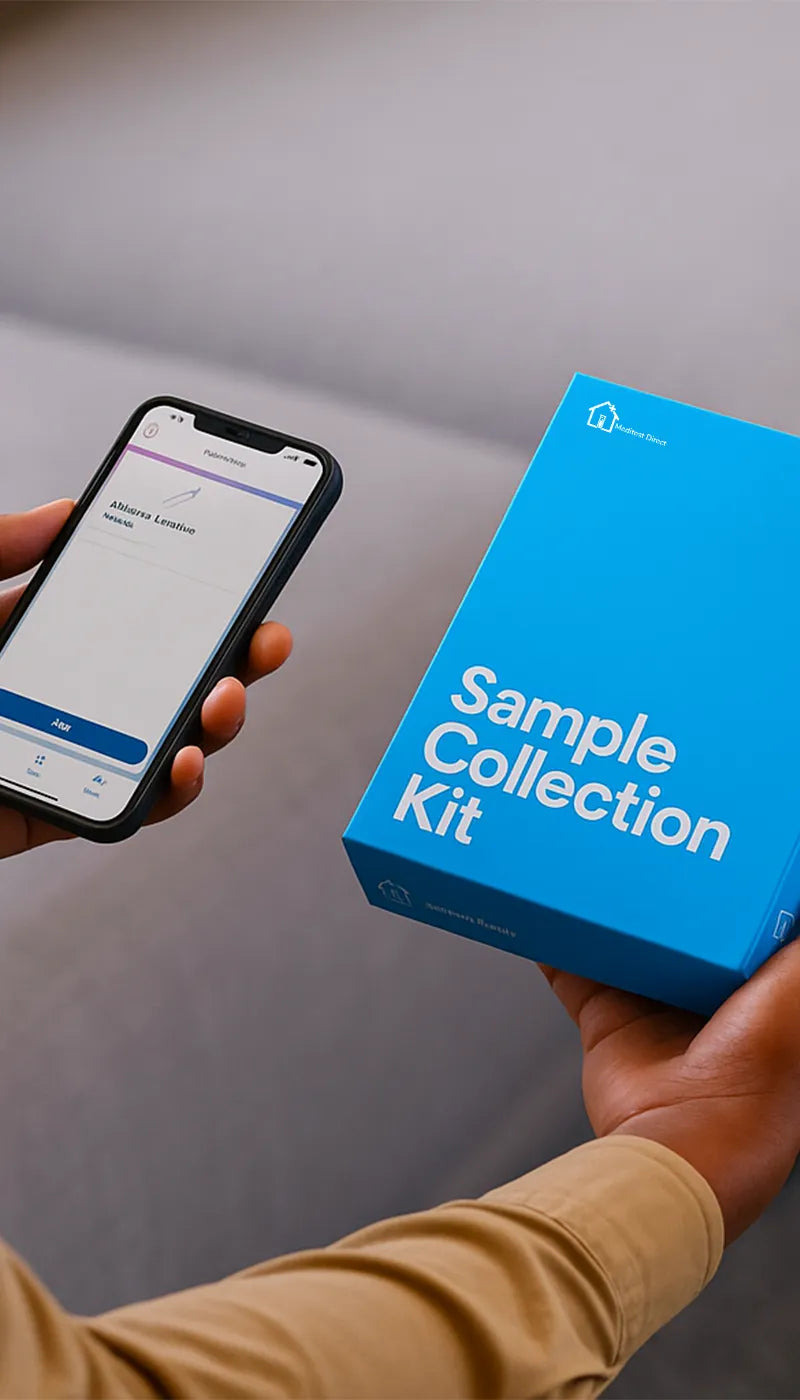
    Meditest Direct provides a secure online dashboard where you can store and view information related to your purchased kits.
    The layout is designed to help you organise your entries in a simple, easy-to-read format.

    Left Image
    Right Image
    Left Image
    Right Image

    Your health, expertly explained

    Simple Tools for Managing Your Information

    • Clear, easy-to-read layout
    • Organised display of your recorded data
    • Secure storage for your entries

    This portal is designed solely for viewing and managing your own information.It does not provide diagnosis, treatment, clinical interpretation, or personalised medical advice.

    You may also like