Penicillins
4Penicillin G (Benzylpenicillin), Penicillin V (Phenoxymethylpenicillin), Amoxicilloyl (Amoxicillin), Ampicilloyl (Ampicillin)
Cephalosporins
1Cefaclor

Have an account? Log in to check out faster.

Allergy Screen (Antibiotics) Blood Test

This antibiotic allergy panel tests for IgE antibodies to the most commonly prescribed penicillin-type antibiotics and cephalosporins. It's designed for people who have experienced reactions to antibiotics and need to identify which specific drugs may be triggering their symptoms.
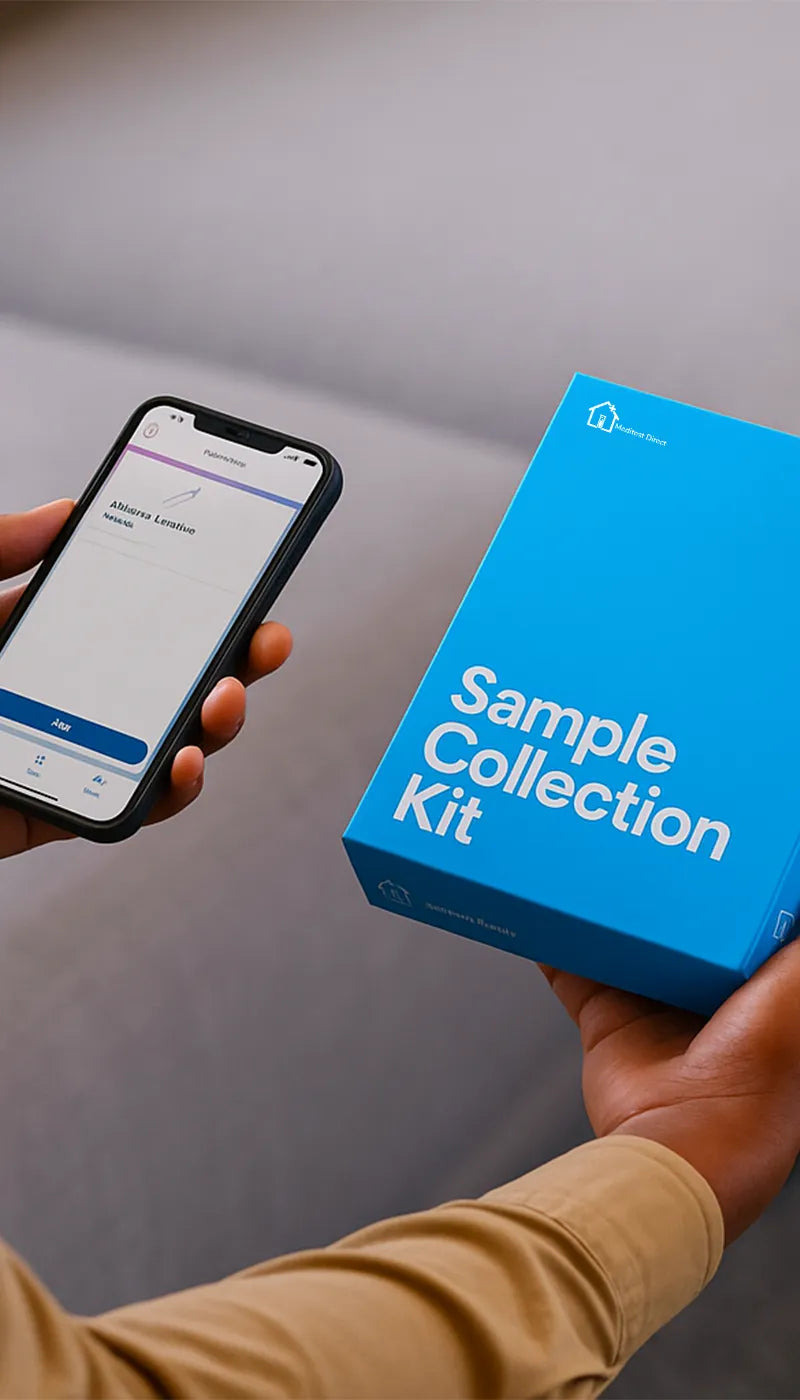
What's covered in the price: You receive a venous blood collection kit and professional laboratory analysis covering Total IgE plus specific IgE testing for 5 antibiotic allergens including penicillin G, penicillin V, amoxicillin, ampicillin, and cefaclor. Results within 2 working days.
Analysed at a UKAS accredited laboratory meeting ISO 15189 standards.
Action Required: Once your order confirmation arrives, please reply to the email with your date of birth. This helps us process your order quickly and avoid any delays.
This test requires a venous blood sample collected by a trained phlebotomist—it cannot be done with a finger-prick at home. You'll receive a collection kit containing everything the phlebotomist needs.
Your Options:
Please Note: The phlebotomy service (blood draw) is not included in the test price. Clinics typically charge £20–£50 for this service. Please confirm the fee when booking your appointment.
Penicillin G (Benzylpenicillin), Penicillin V (Phenoxymethylpenicillin), Amoxicilloyl (Amoxicillin), Ampicilloyl (Ampicillin)
Cefaclor
Results show specific IgE levels (kUA/L) classified from Class 0–6:
Important: A negative IgE result does not completely rule out antibiotic allergy. Some drug reactions are not IgE-mediated. Cross-reactivity between penicillins and cephalosporins can occur. Always discuss results with your doctor before taking any antibiotic.
No Fasting Required: You can eat and drink normally before your blood draw.
Antihistamines: You can continue taking antihistamines—they do not affect IgE blood test results.
Timing: For best results, test within 6 months to 5 years after a suspected reaction. IgE levels may decline over time.
Posting: Collect your sample Monday–Wednesday to ensure it reaches the lab promptly. Avoid posting before bank holidays.
This test detects IgE-mediated antibiotic allergy only. Not all drug reactions are IgE-mediated—some are delayed hypersensitivity reactions that require different testing methods.
A negative result does not guarantee you can safely take these antibiotics. Always inform your doctor of any previous antibiotic reactions before being prescribed antibiotics, regardless of test results. For severe previous reactions, specialist allergy assessment including skin testing may be required.
Our Collection
Discover the beauty of Scandinavian interior design with its minimalist approach. Learn how to create a stylish and functional space with our expert tips.



Our Collection
Discover the beauty of Scandinavian interior design with its minimalist approach. Learn how to create a stylish and functional space with our expert tips.

Explore Our Most Popular Tests.