


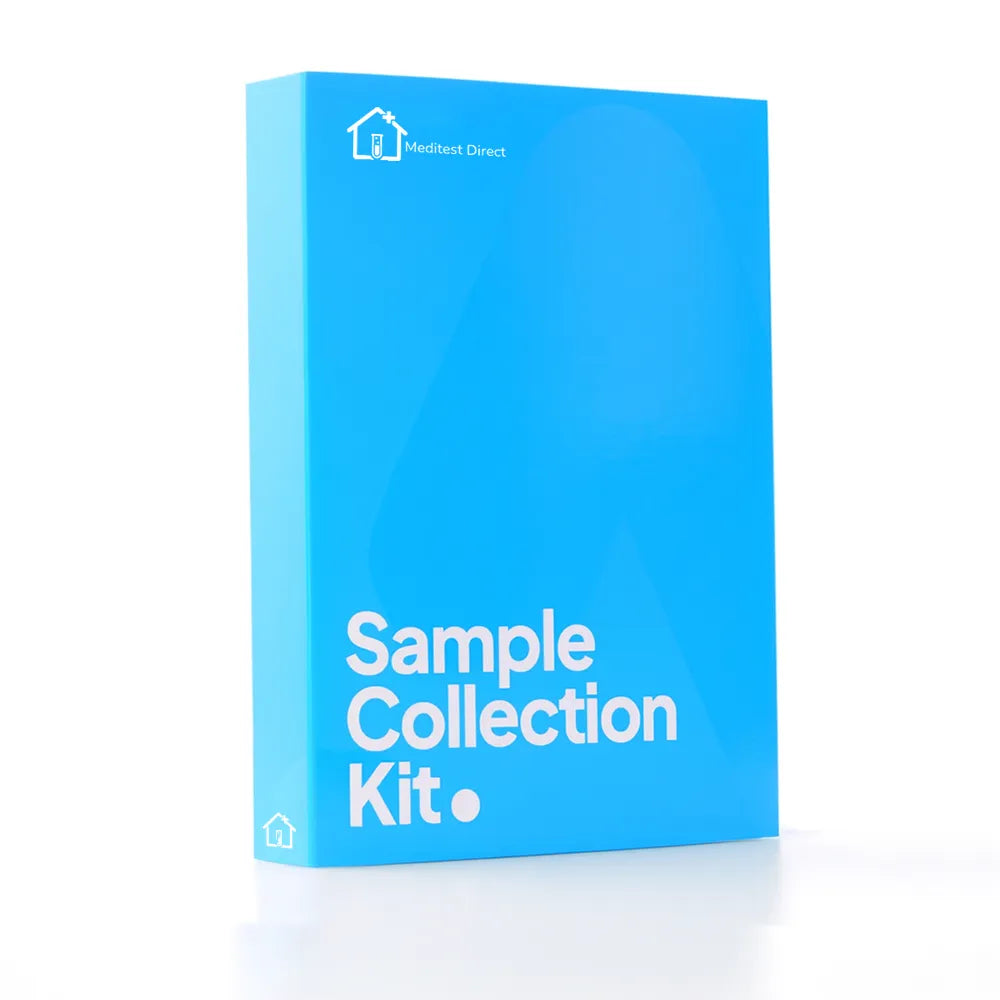
Tiredness and Fatigue Blood Test Kit
Do you struggle with low energy, feel exhausted all the time, or have brain fog? This home test kit measures key biomarkers linked to tiredness, including thyroid function, iron levels, and vitamin D.
- Results estimated in 2 working days
- Convenient testing options
- Bespoke doctor’s report
- Free delivery Over £45
Our portal, your results
Track, improve, and monitor your health over time.
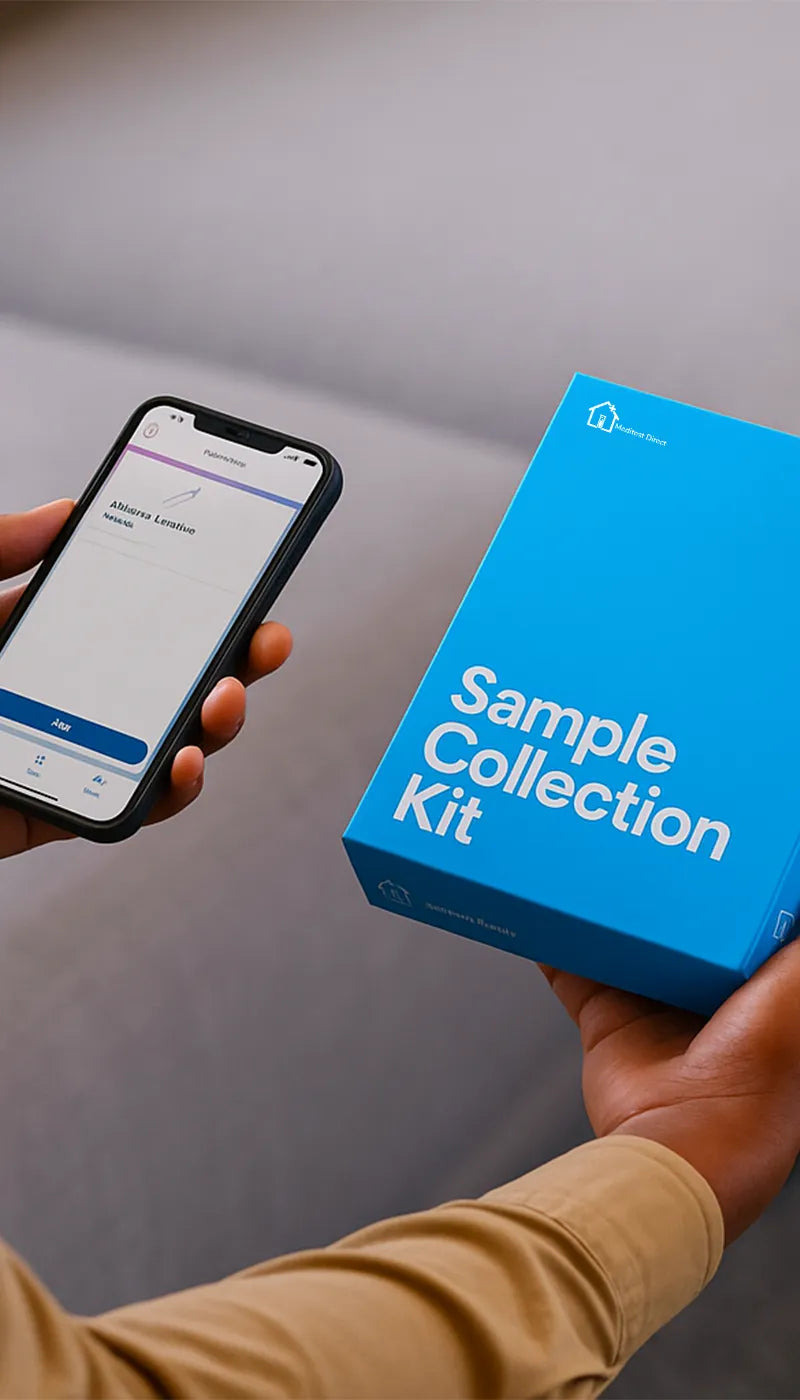
Meditest Direct is your personal online dashboard where you can see your findings, get easy-to-understand explanations about specific health markers, track changes in your health, and safely keep data about your vital signs, lifestyle, and medical history.



Your health, expertly explained
Go beyond the numbers
Prepare to improve your knowledge of health with a customised doctor's report. Use professional insights that are customised for you to go beyond outcomes.
Actionable advice
Professional assistance
Personalised suggestions
What's in the test?
-
Inflammation
hs-CRP
C-Reactive Protein (CRP) is an inflammation marker used to assess whether there is inflammation in the body - it does not identify where the inflammation is located. High Sensitivity CRP (CRP-hs) is a test used to detect low-level inflammation thought to damage blood vessels which can lead to a heart attack or stroke. When you suffer a serious injury or infection you experience significant inflammation around the site of injury - such as the swelling around a twisted ankle. Any injury like this will cause your CRP-hs to rise.
-
Iron status
Iron
Iron is a mineral that is essential for life. It is a component of haemoglobin, a protein in our red blood cells that is responsible for transporting oxygen around our body. If we don't have enough iron, our haemoglobin levels fall and we can't get sufficient oxygen to our cells. This can cause symptoms which include fatigue, dizziness, and shortness of breath. Serum iron is a very transient reading and can be influenced by the amount of iron-rich food in your diet in the days before your blood test. For this reason, iron is rarely looked at on its own, and is interpreted alongside other markers in an iron status test.
TIBC
Total iron-binding capacity (TIBC) is a measure of the ability of your body to efficiently carry iron through the blood.
Transferrin saturation
Transferrin is made in the liver and is the major protein in the blood which binds to iron and transports it round the body. This test measures how much this protein is 'saturated' by iron.
Ferritin
Ferritin is a protein which stores iron in your cells and tissues. Usually, the body incorporates iron into haemoglobin to be transported around the body, but when it has a surplus, it stores the remaining iron in ferritin for later use. Measuring ferritin levels gives us a good indication of the amount of iron stored in your body.
-
Thyroid hormones
TSH
Thyroid stimulating hormone (TSH) is produced in the pituitary gland in order to regulate the production of thyroid hormones thyroxine (T4) and triiodothyronine (T3) by the thyroid gland. If thyroid hormones in the blood are low, then more TSH is produced to stimulate the thyroid gland to produce more of them. If thyroid hormone levels are high, then the pituitary produces less TSH to slow the production of thyroid hormones. If TSH is too high or too low, it normally signifies that there is a problem with the thyroid gland which is causing it to under or over produce thyroid hormones. Sometimes a disorder of the pituitary gland can also cause abnormal TSH levels.
Free thyroxine
Thyroxine (T4) is one of two hormones produced by the thyroid gland. It works to speed up the rate of your metabolism. Most T4 is bound to carrier proteins in the blood - it is only the free, or unbound, T4 that is active in the body, which is measured in this test. Free T4 is the less active of the two main thyroid hormones. To have an impact on your cells it needs to convert to the more active T3 when your body needs it.
-
Vitamins
Vitamin D
Despite its name, vitamin D is actually a hormone that’s produced by your skin when it’s exposed to sunshine. Before your body can use vitamin D produced by sun exposure (known as vitamin D3), it must be converted into another form called 25 hydroxycholecalciferol (25 OH). Vitamin D (25 OH) is the major circulating form of vitamin D, and so your vitamin D (25 OH) level is considered the most accurate indicator of vitamin D supply to your body. Vitamin D is essential for healthy bones and teeth, as it helps your body absorb calcium. It also plays a role in muscle health, immune function, and mental health. Low vitamin D symptoms include muscle weakness, mood swings, and fatigue. Many people in the UK have low vitamin D levels, and people with dark skin and people who don’t spend much time outdoors are particularly at risk. Small amounts of vitamin D can be obtained from food, especially oily fish, eggs, and vitamin-D fortified foods. But if you have a vitamin D deficiency, you’re unlikely to be able to improve your levels by food alone.